
Classic Packard VIN Decoder
The Classic Packard VIN Decoder is an online tool that allows Packard enthusiasts to decode the VINs of vintage Packard vehicles. The Powerful Classic uncovers much-needed information about any classic Packard, such as its production country, model, year, engine, and more.
Table of Contents:
What is a Classic Packard VIN?
A VIN (Vehicle Identification Number) identifies a car for life. Modern cars use a standardised 17-character format (since 1981). Packards predate that rule, so you'll often see shorter, make-specific chassis or serial numbers, commonly 5–14 characters, plus extra body or “theft-proof” numbers on the firewall.
A dedicated classic decoder interprets those legacy formats correctly, instead of forcing them into a modern template. Our tool reads non-17-digit numbers and maps them to Packard years, series, plant, and powertrain.
If you're restoring, selling, or buying, decode the classic VIN and pull the classic report first. It's the easiest way to confirm specs and scan for red flags in minutes.
Where to Find the VIN in a Classic Packard Car?
The VIN on a classic Packard can usually be found stamped or engraved in several areas of the car. It's important to clean and check these areas carefully, as older VINs might be faded or covered with paint.
- Firewall/cowl: Embossed “theft-proof” body number on the firewall; model plates nearby on many cars.
- Driver's door/door pillar: Identification plate or stamping on many late-'40s–'50s models.
- Chassis frame: Stamped near front suspension rails on some cars.
- Under the hood: Radiator support or body tag areas; verify against paperwork.
- Vehicle documents: Title, old registrations, insurance cards. Always cross-check the VIN numbers.
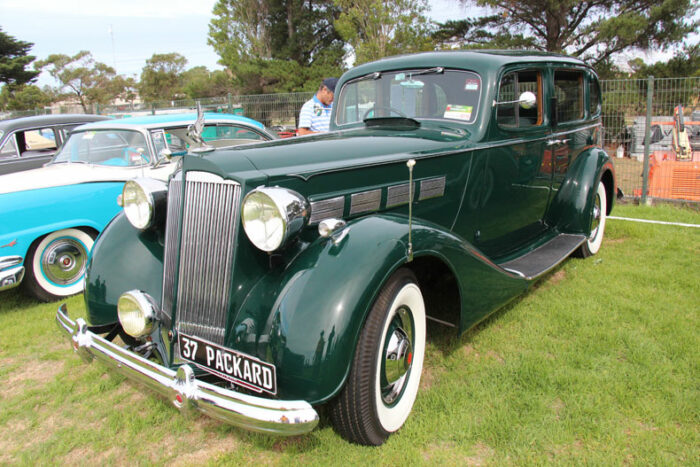
Why VIN Decoding Matters for Classic Packard Cars
If you own or are considering purchasing a classic Packard car, decoding its VIN numbers is an essential step for understanding its history and original specifications. Below are some reasons why decoding matters for classic Packard cars:
Restoration
Decoding the VIN of a Classic Packard is vital for anyone looking to restore a vehicle to its original specifications. The VIN reveals detailed information about the car's engine, body style, trim, and special features. This information is crucial for sourcing the right parts.
Buyers and Sellers
For both buyers and sellers, decoding a Classic Packard VIN is an essential step in verifying the car's authenticity and condition.
Collectors
A decoded VIN is key to confirming whether a Classic Packard has been altered or is truly original. Knowing this helps collectors avoid purchasing modified or restored cars that could diminish their investment.
Safety and Legal Reasons
A decoded VIN helps clarify whether the car has been properly registered, free of theft issues, and whether it complies with the safety standards of its era.
What Information Can You Get From Classic Packard VIN Decoder?
A classic Packard VIN check can help verify the authenticity of the car and prevent you from unknowingly purchasing a counterfeit or clone. In the report, you will get to see the detailed information of the vehicle, including:
Vehicle's Specifications
This section explains how the Packard was originally built at the factory. Using the VIN or chassis number, the report lists key details such as the model, body style, engine, transmission, and other core specifications. It helps confirm that the vehicle matches its claimed identity and has not been rebadged or significantly altered.
Recalls History
Check whether the car has been recalled. This section outlines the recall reasons, dates, and the actions taken by the manufacturer, along with the current recall status, such as open or fixed.
Mileage Reading
Mileage history lays out the odometer readings recorded at different points in a Packard's life. Even with classics, these readings can come from inspections, sales listings, or service visits. A smooth increase over time looks normal. Sudden drops or strange jumps may suggest an odometer rollback or error.
Accident & Damage History
Classic Packards have lived long lives, and some may have had accidents or damage repairs. This section highlights any reported collisions, damage events, and sometimes the severity or area affected. As a buyer or collector, you can use this to decide if the Packard's condition matches the story you were told and whether you need a deeper inspection of the frame or body.
Title Brand Check
“Title brands” are labels attached to a vehicle's official title, such as salvage, rebuilt, flood, or lemon. a branded title usually means the car had serious damage or special legal status at some point.
Lien or Loan Records
A lien or loan means someone still has a financial claim on the vehicle. In this section, the report flags if a Packard has ever been tied to active or past loans. For a buyer, this is important: you don't want to pay full price and then discover a bank still has rights to the car. For private sellers and dealers, clearing any liens before listing the Packard makes the sale smoother and avoids nasty surprises at the last minute.
Auction History & Market Value
See if a classic Packard has ever been sold at an auction. This section shows the sale date, location, and market value, along with real photos that document the vehicle's condition during the auction.
Theft Records
No one wants to get mixed up with a stolen classic. The theft records section shows if a Packard has ever been reported stolen, and sometimes whether it was later recovered. For a buyer, this is a basic safety check before you move money or ship a car across borders. For private sellers and dealers, a clean theft record on a Packard makes your listing more trustworthy.
How to Use the Classic Packard VIN Decoder?
To use the Classic Packard VIN Decoder, you will need to have the VIN first. Then, follow these simple steps to get yours.
Find the VIN
Locate the serial/chassis plate or firewall number on the car, then confirm it against the paperwork if it’s faint, clean gently, and re-check.
Fill in the Form
Click on the form above and fill it out with the VIN, then click on the button to submit the form.
Get the Report
Review the preview, proceed to checkout, then download your Classic Packard history report.
Get Classic Packard Build Sheet by VIN
Before you purchase the classic Packards, match the seller's claims to the sheet. Does the series/engine combo fit? Is that Caribbean trim genuine or a later swap? Comparing VIN or chassis data with the build card can quickly surface red flags. Even if the car looks gorgeous, a few mismatches, like a wrong trans code, color not available that year, can hint at repaints, drivetrain swaps, or deeper stories. Use this to negotiate fairly, or to walk away with zero drama. It's calm, objective, and worth every minute.
Brief History of Classic Packard
The last vehicle to bear the Packard name was produced in 1958, marking the end of the brand as an independent carmaker. For a time, the Packard name continued to exist on documents within Studebaker. However, U.S. production at Studebaker came to an end in 1963, which closed the final chapter of Packard's historic automotive legacy. Below is a brief history of the classic Packard car.
- 1899 – After a disappointing experience with an early Winton, brothers James and William Packard decide they can do better and build their own car. Their first machine is assembled in Warren, Ohio, under the Ohio Automobile Company name.
- 1903 – The firm relocates to Detroit and adopts the name Packard Motor Car Company, positioning itself at the heart of America's growing auto industry.
- 1910s–1920s – Through the 1910s and 1920s, Packard became one of the great American luxury marques. The 1915 Twin Six V12 showcases smooth, powerful engineering, and the slogan “Ask the man who owns one” sums up the brand's confidence and reputation.
- 1930s – The Great Depression hits the luxury market hard, but Packard fights back with the more affordable One-Twenty, introduced in 1935. The strategy works: 1937 becomes a banner sales year.
- World War II – During World War II, Packard shifted to building aircraft and marine engines, including under license Rolls-Royce Merlin V12s, contributing to Allied aviation and naval efforts.
- 1950s – After the war, the market changed quickly. By the 1950s, Packard was struggling to match the scale, styling budgets, and marketing power of GM and Ford, and its luxury image started to fade.
- 1954 – Packard merges with Studebaker, creating Studebaker-Packard in an attempt to survive. However, the combined company faces financial and image problems, and Packard's prestige continues to slip.
- 1957–1958 – The last Packards, built for 1957–1958, are mostly Studebaker-based models wearing Packard badges, a sign of how far the once-proud marque has fallen.
Supported Classic Packard Models
You can now successfully decode VINs for these classic Packard models with our Packard VIN decoder:
Decode Classic VIN by Manufacturer
Need to verify another classic before sending payment? Select the manufacturer, enter the VIN, and quickly see its configuration and available history.
FAQ About Classic Packard VIN Decoder
How do I identify a Packard?
Packard was a brand of luxury cars that was popular in the early to mid-20th century. Here are some general characteristics that may help you identify a Packard:
- Look for the distinctive Packard crest on the car's hood or grille.
- Check for the Packard nameplate or emblem on the car's body or interior.
- Look for features that were common on Packards of the era, such as chrome accents, a long hood, and a sweeping rear fender.
Was Packard a good car?
Packard was widely considered to be a high-quality and prestigious brand of automobile during its heyday in the early to mid-20th century. Packard cars were known for their luxurious features, powerful engines, and innovative designs. The brand was especially popular among wealthy buyers who were looking for a top-of-the-line vehicle.
However, Packard struggled to compete with other luxury car makers in the post-World War II era, and the company eventually went out of business in the late 1950s. Today, Packard cars are highly sought-after by collectors and enthusiasts, and many people still consider them to be among the best cars ever made.
How many digits is a 1975 VIN?
A 1975 VIN doesn't have one “standard” length like modern 17-digit VINs. Back then, each manufacturer used its own system, so the number of characters could change from brand to brand. Most 1975 vehicles have VINs somewhere in the 11 to 13-character range, often a mix of letters and numbers. The strict 17-character VIN format that we use today only became mandatory from the 1981 model year, so anything before that can look a bit inconsistent.
Where is the VIN number on a 1948 Packard?
The identification number on a 1948 Packard is most commonly located on a metal patent plate attached to the firewall in front of the driver, near the windshield area. That plate is considered the primary reference for the vehicle number. In some cars, additional numbers are embossed on the opposite side of the firewall or stamped into the engine block.
Because these cars are old, plates can be lost, painted over, or damaged. When that happens, you should cross-check any visible numbers with your paperwork and consult Packard experts or archives if something doesn't match.
How do I decode my Packard's VIN?
To decode your Packard's VIN, simply enter the VIN into a Detailed Vehicle History VIN decoder tool. This tool will break down the digits, revealing crucial information about the vehicle, including its model, engine, transmission, body style, and more. It's a straightforward way to uncover the vehicle's history and specifications.
Does a classic Ducati VIN decoder provide information useful for collectors?
Yes, collectors often use a VIN decoder to track rare production runs or limited-edition Ducati models. For example, some older Ducati bikes were produced only in small numbers or with unique factory features. The VIN can confirm these details and make sure the motorcycle is truly a collectible piece, not a regular model passed off as rare.