
Classic Winnebago VIN Decoder
Looking at a vintage Winnebago? Decode the VIN on the Classic Winnebago VIN Decoder and see the true value and factory specs. Our report also shows the hidden history records like mileage entries, auctions, and title issues, so you can buy or restore with confidence.
Table of Contents:
What is a Classic Winnebago VIN
A VIN (Vehicle Identification Number) is a unique code used to identify a vehicle. Modern vehicles use the standardized 17-character format (established in 1981). Older classics like motorhomes and trailers alike often used shorter, brand-specific codes or serials, so you'll often see 5–14 characters on many pre-1981 vehicles.
That's why a classic-aware decoder matters. When you run our classic Winnebago VIN decoder, you'll get specs, and any available records, including the accident/damage records, title brands, mileage records, lien/loan, plus auction sightings and market value insight. All in one classic report that is easy to read.
Where to Find the VIN in a Classic Winnebago?
Finding the ID on a vintage vehicle, including a Winnebago, can take a minute, due to paint, sun, and repairs hiding things. Here are some places you can check it out:
- Sticker or metal plate on the front lower portion of the driver's door
- The wall next to the driver's seat
- The pillar just in front of the driver's door
- VIN stamped into the driver-side frame rail, often near the door or front axle
- Tag on the firewall or plate near the radiator
- Driver's side of the dash, readable through the windshield
- On the paperwork, like registration, title, or bill of sale
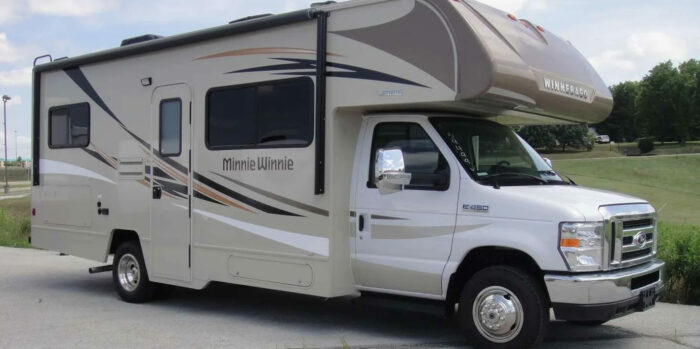
Some rigs have both a chassis VIN and a separate coach/body label. Compare both carefully.
Why VIN Decoding Matters for Classic Winnebago
Decoding a classic VIN is important to get to know the vehicle better. We make it easier to check the vehicle's background for any purpose, whether it is for restoration, transaction, or providing valid proof that shows the vehicle's authenticity.
Restoration that feels right
See if your classic has matching paint, trim, floor length, and factory options that keep the coach true to the period and save money on wrong parts.
Resale you can stand behind
A decoded VIN and report help confirm year/series and support fair value. And buyers like clean paperwork.
Collectors & originality
Verify if equipment and specs align with factory notes. Remember that mismatches affect value (and sometimes a lot).
Safety & legal peace of mind
Checking the title brand, theft, and damage records before making a deal reduces the risk of buying a problem coach.
What Information Can You Get From the Classic Winnebago VIN Decoder?
Considering a classic Winnebago like the LeSharo, Itasca Spirit, or Rialta? Before buying or selling, this report provides essential facts. Here's what you'll find in the classic Winnebago report:
Vehicle's Specifications
See the model/series (e.g., Chieftain, Minnie Winnie), floor length, body style, engine/chassis family (e.g., Chevy, Ford, VW on the compact rigs), transmission type, GVWR/GCWR, and more. So you don't buy the wrong bits or guess at the floorplan.
Accident History
The Accident history section checks if the Winnebago classic vehicle has been involved in any reported crashes or serious incidents. Using the Winnebago VIN, the report scans insurance and damage databases for total-loss events, major collisions, and structural repairs.
Damage Checks
Our reports include damage records such as fire, flood, hail, or other incident damage. For motorhomes, water intrusion matters a lot; it affects roof seams, window frames, and other motorhome parts.
Theft Records
Shows whether the coach (or its chassis) was ever reported stolen, with date, location, and source. By using the Winnebago VIN decoder to scan theft databases, you reduce the risk of buying a car that might later be claimed by someone else or seized by authorities.
Lien or Loan Status
The Lien/loan status section focuses on money still attached to the Winnebago. A lien means a bank, finance company, or other lender may still have a legal claim on the Winnebago classic vehicle. By checking the Winnebago VIN, the report shows if there are any active or past liens you should know about.
Odometer Records
Mileage matters a lot in an RV. The Odometer Records section lines up the recorded mileages for that Winnebago VIN from inspections, registrations, and auction listings. A classic Winnebago might have had its odometer replaced or rolled over, so this timeline helps you see if the numbers make sense.
Auction & Sales Sightings
If it passed through an auction, you'll get dates, locations, and sometimes condition notes or images. We also provide market value context, so pricing a classic Winnebago feels fair, not a gamble.
Warranty Coverage
Every used vehicle, including Winnebago motorhomes, comes with existing warranties. The key question is whether these warranties are still active. The report allows you to review the warranty coverage and its limitations. This will help you determine if the vehicle is still protected by the manufacturer's warranty.
How to Use the Classic Winnebago VIN Decoder?
To use the Classic Winnebago VIN Decoder, have your VIN ready first. Then follow the quick steps to get your results.
Step 1: Find the VIN
Locate the VIN of the classic Winnebago vehicle you want to check. You can refer to the section above for the common VIN locations on older models.
Step 2: Fill in the Form
Enter the VIN/serial into our Classic Winnebago VIN Decoder and submit.
Step 3: Get the Report
Review the preview, then download the full classic report for specs and records next. Easy to share with a mechanic or a buyer.
Get Classic Winnebago Build Sheet by VIN
If you're fixing cabinets, hunting the right dinette, or wondering whether that awning was original, the Winnebago Build Sheet is your friend. It lists the model, floor length, paint and trim notes, Option Codes (Winnebago calls them Feature Numbers), and more. Pair it with the classic report for title, mileage, and damage checks, and you've got the full picture: factory truth plus real-world history.
Brief History of Classic Winnebago
Winnebago's story is really the story of the American motorhome. From its small-town beginnings in Forest City, Iowa, to big V-8 coaches and later compact Sprinter-based rigs, each decade added a new chapter. The quick timeline below shows how those classic models evolved.
- 1958: Founded in Forest City, Iowa.
- 1961: The company name becomes Winnebago Industries, marking its formal identity as an RV manufacturer.
- 1966 – Winnebago launches its first motorhome, the F-19, built on a Ford chassis, entering the motorized RV market.
- 1967 – The D22 debuts on a Dodge chassis, expanding the lineup and giving customers more size and drivetrain options.
- 1970s – Focus on smaller, more affordable RVs; big “Winnebago Village” display at the 1974 World's Fair
- 1977 – Winnebago builds its 100,000th motorhome, a significant production milestone that reflects strong demand.
- 1980s – More lightweight and compact models appear; LeSharo and Phasar launch in 1983; 200,000th motorhome built by 1988
- 1990s – Adds more smaller, easier-to-drive motorhomes like Vectra (1993), updated Minnie Winnie and Itasca Sundancer (1994), and Rialta (1995)
- 2000s – Shifts toward Sprinter-based RVs, With View and Navion (2005) and Era van (2009).
Supported Classic Winnebago Models
You can now successfully decode VINs for these classic Winnebago models:
Decode Classic VIN by Manufacturer
Need to verify another classic before sending payment? Select the manufacturer, enter the VIN, and quickly see its configuration and available history.
FAQ About Classic Winnebago VIN Decoder
What does it mean by an invalid VIN number?
An “invalid VIN” means there was an error when entering the VIN. This often happens when characters are mixed up, like 2 and Z, I and 1, or O and 0. Make sure to double-check the VIN and enter it without any spaces. If it still doesn't work, try looking for a second VIN plate or check your vehicle paperwork.
When decoding a classic VIN, it's important to use a tool that supports older formats, like ours. Classic vehicles, built before 1981, have a different VIN format than modern ones. Using the wrong tool can lead to an empty or incorrect result.
How do I check if my car is a classic?
A car is typically considered a “classic” if it is at least 25 years old. However, the exact definition can vary depending on the insurance company, state laws, or car clubs. Some may consider vehicles older than 20 years as classics.
For collectors, a classic VIN decoder can help determine the history and authenticity of the vehicle, confirming whether it fits the classic status.
Do classic motorhomes have two VIN numbers?
Yes, classic motorhomes, like Winnebagos, often have two VIN numbers: one for the coach (the RV part) and another for the chassis (the underlying vehicle).
The coach VIN is provided by Winnebago, while the chassis VIN comes from the manufacturer of the vehicle base (e.g., Ford, Chevy).
It's important to check both VINs, as collectors and DMVs like to see that they match.
What chassis is my Winnebago built on?
Classic Winnebago motorhomes were built on various chassis depending on the model and era. Common chassis manufacturers include Ford, Chevrolet, and Dodge. From the 1980s onward, some compact models used Renault or Volkswagen platforms.
To confirm which chassis your Winnebago uses, you can check the VIN (using our decoder tool) or refer to the engine bay tag for the exact chassis family.
How do I decode a 12-digit VIN number?
To decode a 12-digit VIN number, you'll need a tool that supports older VIN formats. Detailed Vehicle History's classic VIN decoder can help you break down the 12-digit VIN, revealing the vehicle's specifications and history, including important records like accident reports, title information, and market value.
Where is the VIN/Certification Label on a classic Winnebago?
For a classic Winnebago, the VIN/Certification Label is usually attached to the driver's door area. Check these locations:
- The front lower portion of the driver's door
- The wall next to the driver's seat
- The pillar just ahead of the door
A copy of the label is also found in the coach's InfoCase (the manual holder). If it's hard to read, look for a secondary plate in the engine bay or frame.
Who owns Winnebago? Has the brand been discontinued or merged?
Winnebago is owned by Winnebago Industries, which is still an active, leading manufacturer of motorhomes and RVs. The company has not been discontinued or merged; it continues to produce popular RV models. Winnebago's long history and milestones are regularly updated, and it remains a trusted name in the RV industry.