
Classic BSA VIN Decoder
BSA was among the motorcycles that made waves between 1907 to 1912. If you want to learn more about the details and specifications of this vehicle, you may do so by using our classic VIN decoder.
|No VIN?Use License Plate
Table of Contents:
What is a Classic BSA VIN?
A Vehicle Identification Number (VIN) is a unique code given to every vehicle to record its identity and production details. For classic BSA motorcycles, this number plays an important role in tracing their history and confirming originality. Unlike modern 17-character VINs, classic BSA VINs are usually shorter, with a maximum of only 5 to 14 characters.
Because BSA used different numbering systems over time, decoding the VIN correctly is essential to understanding the motorcycle's background and specifications. To decode the classic BA VIN, click on the form above and write down the classic VIN!
Where to Find VIN on a Classic BSA Motorcycle?
The VIN or serial number on a classic BSA can be found in several key areas, depending on the model and year:
- Steering head: The most common location, stamped on the frame part that connects to the front fork.
- Engine casing: Often stamped near the crankcase or gearbox area.
- Matching numbers: Many classic BSAs have identical frame and engine numbers, showing that the motorcycle still carries its original components.
- Clean before checking: Dirt, grease, or rust may cover the VIN, so gently clean the area to make the numbers easier to read.
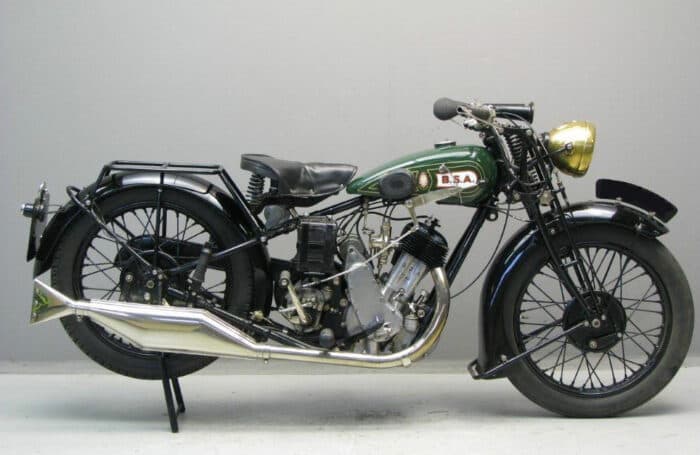
Why Decoding the Classic BSA VIN Matters?
Running a classic VIN lookup to decode the BSA's VIN is crucial. If you are a buyer, seller, or restorer, decoding a classic VIN can help you inspect the safety aspects and know the right parts, and help you set the price right.
Restorers
Makes it easier to confirm that every part, color, and trim matches the vehicle's original factory design.
Buyers and Sellers
Confirms the vehicle's authenticity and helps avoid scams or hidden mechanical mismatches.
Collectors
Verifies the originality of the vehicle, which helps maintain its historical importance and market value.
Security
Shows whether the BSA has ever been reported as stolen, salvaged, or had odometer problems, protecting owners from legal or financial risks.
What Can You Find From the Classic BSA Report?
Once you've successfully decoded the classic BSA's VIN, you will get a vehicle history report that shows you the important information about the vehicle.
Vehicle Specifications
Accident History
Damage Verification
Odometer Reading
Title History
Theft Records
Past Owners Records
Auction History and Market Value
How to Decode Classic BSA VIN Number?
Decoding a classic car VIN is easy. You just need to follow the steps below:
1
Step 1: Find the VIN
2
Step 2: Fill in the Form
3
Step 3: Get the Report
BSA Build Sheet by VIN
If you're restoring, buying, or selling a classic BSA, getting the window sticker is highly recommended. It gives you access to the original factory information, including specifications, key features, paint and trim colors, safety ratings, and the original MSRP. With the build sheet, you can verify how the vehicle was first built, check its authenticity, and make smarter decisions when negotiating its price or planning restoration work.
A Short History of BSA by VIN
Classic BSA (Birmingham Small Arms Company) history began in 1861 as a firearms manufacturer in England. By 1910, BSA entered motorcycle production, debuting a belt-driven single-cylinder bike that quickly gained popularity. After focusing on war production during World War I, BSA resumed making motorcycles and became one of the world's largest motorcycle manufacturers by the 1950s and 1960s.
Known for reliable and affordable bikes used in competition and everyday riding, BSA faced tough competition from Japanese brands in the 1970s and eventually ceased motorcycle production in 1973. The brand remains celebrated as a classic British motorcycle icon.
Supported Classic BSA Models
Decode any kind of classic BSA and check the supported models:
BSA Gold StarBSA A7/A10BSA B31/B33BSA BantamBSA Rocket 3/Triumph TridentBSA LightningBSA VictorBSA C15BSA M20BSA Starfire
Decode Classic VIN by Manufacturer
Need to verify another classic before sending payment? Select the manufacturer, enter the VIN, and quickly see its configuration and available history.
AC
Acura
Alfa Romeo
Aston Martin
Allstate
AM General
AMC
Amphicar
Austin
Austin Healey
Autobianchi
Avanti
Auburn
Audi
Airstream
Backdraft Racing
Bugatti
Bentley
Beetle
BMW
BSA
Buick
Cadillac
Campagna
Chrysler
Chevy
Cushman
Datsun
Delahaye
De Tomaso
Desoto
Dodge
Ducati
Ferrari
Fiat
Ford
GM
Hudson
Hummer
International
Jaguar
Jeep
Lamborghini
Lancia
Land Rover
Lexus
Lincoln
Maserati
McLaren
Mercedes-Benz
Mercury
Mini
Mitsubishi
Morgan
Mazda
Mopar
Mustang
Oldsmobile
Nissan
Packard
Pontiac
Plymouth
Porsche
Renault
Rolls-Royce
Shelby
Subaru
Studebaker
Toyota
Triumph
Volkswagen
Winnebago
Willys
Yamaha
FAQs About Classic BSA VIN Check
A classic BSA is a model that was made by the Birmingham Small Arms Company. These cars are strong and are now regarded as collectibles, and their VINs can be decoded using the Detailed Vehicle History tool.
The value of a classic BSA motorcycle can vary widely depending on the model, condition, and other factors. Some rare and well-preserved models can sell for tens of thousands of dollars, while others may be more affordable for collectors on a budget. The vehicle history report can also provide you with insights into the possible value of a BSA classic.
Yes, you can use our classic BSA VIN decoder to decode the BSA A65's VIN. Once the VIN is decoded, you will get a classic history report that details the vehicle's specs and past history.
Classic BSA motorcycles were built before VINs were standardized in 1981. Their identification numbers often vary in length and format, using letters and numbers unique to the model and production year. Decoding these older VINs helps reveal factory details that aren't available through modern databases, such as the engine type, manufacturing plant, and production series.
Yes. For vintage BSA bikes, the VIN (or frame number) and engine number are crucial for confirming originality. Many older models have matching numbers when they left the factory. If the numbers don't match, it may mean that the engine was replaced or rebuilt later, which can affect authenticity and value.
A classic BSA VIN decoder provides important build information such as engine capacity, model type, and production year. These details help restorers find the right replacement parts, paint color, and factory specifications, ensuring the bike is rebuilt as close as possible to its original design.
While the VIN itself doesn't list the price, the information it provides, like originality, model type, and production year, greatly affects market value. When combined with a classic BSA history report, it helps estimate the current worth of the motorcycle and shows how it compares to similar vintage BSA models in today's market.
Quick VIN Decoder
Get comprehensive vehicle history reports
Quick VIN Decoder
Get comprehensive vehicle history reports