
Classic Allstate VIN Decoder
Own a classic Allstate? With only 2,363 of these vehicles produced between 1952 and 1953, it's essential to check their history using a classic Allstate VIN decoder. Discover valuable details about your car's background today.
Table of Contents:
What is a Classic Allstate VIN
A VIN, or Vehicle Identification Number, is a special code given to every car, and classic Allstates are no exception. Now, here's the thing: Unlike modern cars with 17-digit VINs (that were established in 1981), classic Allstate vehicles from 1952-1953 use shorter VINs, typically between 5 and 14 characters. These older codes follow a unique structure that's specific to Allstate.
Decoding a classic Allstate VIN isn't just for fun. It's essential, especially if you're a buyer, seller, or restorer. By using a specialized Allstate VIN decoder, you can get detailed information about your vehicle's specifications, history, and even past accidents. And whether you're restoring a rare classic or making sure you're not getting scammed, this information can be a game-changer.
Where to Find the VIN in a Classic Allstate Car?
If you're wondering where to find the VIN on your Allstate, you're in luck! It's usually in a few key spots on the vehicle. Since these cars are older, the VIN might be hard to read, so be patient and careful:
- Driver's side door frame: Check near the hinge or along the edge of the door.
- Firewall: Look at the metal panel that separates the engine compartment from the cabin.
- Chassis rail: Examine the frame rails under the car, near the front wheels.
- Vehicle documents: If you can't find it on the car itself, check the title or registration papers.
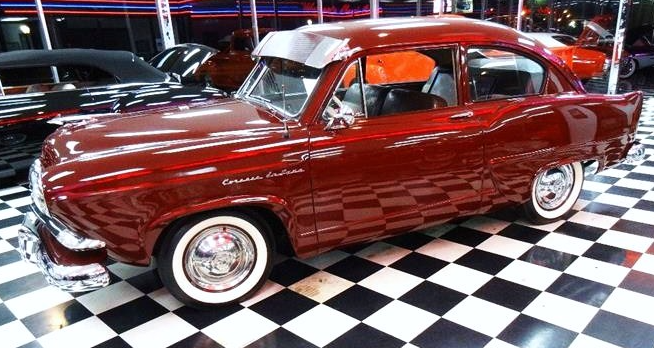
Make sure to clean the surfaces and look closely, as age or paint can make the digits hard to see.
Why VIN Decoding Matters for Classic Allstate Cars
Decoding the VIN of your classic Allstate is crucial, especially if you're restoring, buying, or selling one of these rare vehicles. Some of the benefits of decoding your classic Allstate VIN number include:
Restoration
Classic Allstates have been out of production for decades, so finding the right parts can be a real challenge. Knowing the exact specs, including the engine type, trim, color, and features, helps ensure your restoration stays true to its original factory design.
Vehicle Parts
Classic Allstate cars are rare, and the parts are even rarer. With many of these cars being restored or rebuilt, it's important to know which original parts were used. Running a VIN check gives you the detailed specifications, helping you track down the right parts without any surprises along the way.
Reliability
A classic Allstate VIN lookup reveals hidden records that show how well the car has been maintained, any past accidents, and the general condition. This will give you a better idea of the car's reliability before you make a purchase.
Authenticity
Classic Allstates are a valuable asset today, with only a few hundred remaining. Whether you're a buyer or a seller, it's essential to confirm the car's authenticity. A VIN check helps verify that the vehicle hasn't been altered or reassembled with parts from other cars, ensuring its originality and value.
So, whether you’re restoring a classic Allstate or looking to buy one, decoding the VIN is your first step in ensuring you get what you’re paying for. It provides crucial information that helps confirm authenticity, assess reliability, and find the right parts. It’s an essential tool for anyone serious about these rare vintage cars!
What Information Can You Get From Classic Allstate VIN Decoder?
After you type in the VIN and hit go, you'll get a simple report that tells the story of your Allstate. Clear, no fuss. It helps you buy with confidence, sell with proof, and restore without guesswork. And honestly, it keeps you away from trouble. Here's what you'll see for a classic Allstate (1952–1953):
Vehicle's Specifications
The basics that matter: body style, engine family, transmission type, trim, factory options, and other build details. This confirms if the car still matches how it left the line under Kaiser-Frazer. Handy when you're hunting parts or matching paint.
Title Brand Check
We show if the title was ever marked salvage, rebuilt, flood, lemon/buyback, or other labels. A clean Allstate title usually means fewer headaches with registration and insurance. If brands do appear, you at least know the story behind the lower price and can decide if Allstate is still worth the risk.
Mileage Records
With an older Allstate classic vehicle, the mileage on the dashboard doesn't always show the full journey. We show you the recorded odometer readings with dates. If the numbers jump around, that's a sign to slow down and ask questions.
Auction & Market value
If your Allstate ever crossed the block, you'll see sale dates, locations, price, and up to 10 available photos. If you have no clue what a fair number is, these insights stop you from guessing and give you a more confident starting point when negotiating.
Accident & Damage Records
The accident & damage records section checks whether the Allstate classic vehicle has been involved in recorded crashes or serious damage events, such as fire, flood, hail, or structural issues, and when and where they occurred. Good to know before you commit to a big restoration.
Recall Records
Recall records tell you if the Allstate VIN was ever linked to factory safety or quality recalls, where such data exists. You can ask the seller what has been done, plan any missing recall jobs, and keep your Allstate as safe and reliable as an older car can reasonably be.
Theft Records
Because some Allstate classic vehicles are rare and unusual, they can attract thieves or VIN cloners. The theft records section checks whether the Allstate VIN has ever been reported stolen and, where information exists, whether it was recovered. This protects you from legal headaches later.
Lien or Loan Checks
A lien means a bank, finance company, or private lender may still have a claim on the car, even if the seller says it's “paid off.” Using the Allstate VIN decoder, the report looks for active or historical liens that could block a clean transfer of ownership.
How to Use the Classic Allstate VIN Decoder?
To use the Classic Allstate VIN Decoder, have your VIN ready first. Here’s how it works:
Step 1: Find the VIN
First, find your Allstate’s VIN. It’s typically located on the door frame, firewall, or chassis rail.
Step 2: Fill in the Form
Once you’ve located the VIN, enter it into the decoder form.
Step 3: Get the Report
Hit submit, and voilà! Your preview of the classic Allstate history report will pop up. Proceed to purchase, and from there, you can dive into the details.
Brief History of Classic Allstate
If you like oddball American classics, Allstate cars are right up your alley. Built in the early '50s under the Allstate Insurance name and sold by Sears, they were cheap, neat-looking, and produced in tiny numbers.
- 1952–1953 – Allstate cars were built for just two model years, 1952 and 1953, making them a brief but unique chapter in American automotive history.
- Instead of a traditional dealer network, Allstate cars were sold through Sears stores, with the Allstate Insurance Company behind the brand. Very unusual for that time.
- The idea was to offer a car that was budget-friendly but not boring, giving everyday buyers something that felt special without a big price tag.
- Only about 2,363 Allstate cars were ever produced, making surviving examples quite rare and highly collectible today.
- Even though they're long out of production, Allstate cars still capture the imagination of enthusiasts, especially those who love quirky, vintage American vehicles with an unusual backstory.
Supported Classic Allstate Models
You can now successfully decode VINs for these classic Allstate models:
Decode Classic VIN by Manufacturer
Need to verify another classic before sending payment? Select the manufacturer, enter the VIN, and quickly see its configuration and available history.
FAQ About Classic Allstate VIN Decoder
How do I know my classic Allstate vehicle specifications?
Simply glance at the registration papers, the certificate of title, and other vehicle documents to determine your classic Allstate vehicle specifications. If you can't locate those records, Detailed Vehicle History's classic car VIN decoder will provide you with complete access to all of the details about your car.
You would be provided with the vehicle specifications, accident records, theft records, service and maintenance history, auction history with photos (if available), and more.
Where is the VIN on an old Allstate?
The VIN on an old Allstate can be found in a number of different places. The VIN of an old Allstate can be found on the dashboard, engine block, driver's side door, driver's side door jamb, chassis, and more. A classic Allstate VIN can also be located on the vehicle's papers, such as the registration documents, the certificate of title, and others.
What should I do if my Allstate’s VIN plate is hard to read?
Older cars sometimes have faded or damaged VINs. If you can't read it, check the engine bay or other areas like the firewall or chassis rail for an alternate VIN location.
Are classic Allstates reliable?
Most classic vehicles are known to be reliable, although a car owner or buyer has to confirm the reliability of a classic Allstate vehicle by obtaining a classic vehicle history report. To generate a classic vehicle history report, the car buyer or owner would need to locate the classic Allstate's VIN, and a classic car VIN number lookup tool would provide every piece of information on the vehicle.