
Classic Chevy VIN Decoder
Decoding a classic Chevy VIN helps you to see the car's true identity, history, and originality. It's an important step to take for collectors, buyers, and restorers who want to confirm the car's authenticity.
Table of Contents:
What is a Classic Chevy VIN?
A Vehicle Identification Number, or VIN, is like a fingerprint for every car. It contains a series of numbers and letters that tell important details about the vehicle, such as the model, year, and where it was built.
Modern vehicles have a 17-character VIN, but older Chevys often have shorter VIN digits, ranging from 5 to 14 characters. These older VINs were made before standard rules were introduced, so each one may follow a unique format depending on the model year or factory.
In classic Chevys, the VIN often includes details like:
- The assembly plant code, which shows where the car was built.
- The model and series identifier, revealing the type of Chevy (like Impala, Camaro, or Bel Air).
- The engine code points to what kind of motor it came with originally.
Decode the classic Chevy's VIN by entering the VIN on the form above, and get the classic report to examine the car's details.
Where to Find the VIN on a Classic Chevy?
Finding the VIN on an older Chevy can be a little tricky since the locations have changed over the years. Here are some common spots where you might find it:
- Driver's Side Dashboard: Look through the windshield; some later classic models have it stamped here.
- Driver's Door Jamb: Open the door and check along the frame or near the hinges for a metal plate.
- Engine Bay or Firewall: Many older Chevys have the VIN stamped on the firewall, radiator support, or inner fender.
- Chassis Frame: Some classic trucks or muscle cars have the VIN located on the frame near the front wheel well.
- Vehicle Documents: The VIN will also appear on paperwork such as the title, registration, or insurance card.
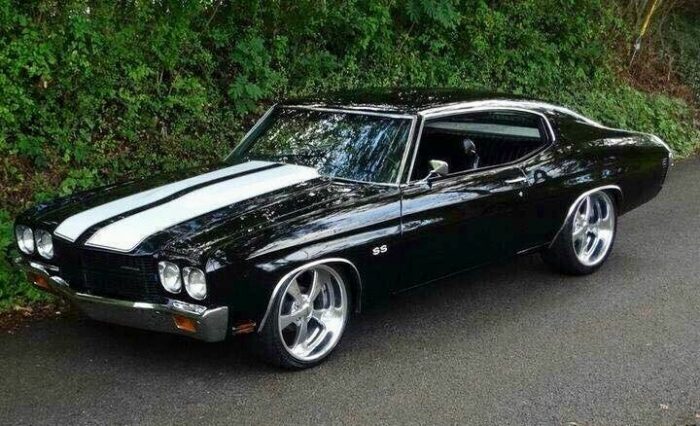
Why VIN Decoding Matters for Classic Chevy Cars?
Whether you are restoring, buying, or selling, decoding your Chevy's VIN provides valuable information.
Restoration
It helps identify the original engine, trim, and features so you can restore the car accurately. Using the right parts adds authenticity and boosts value.
Buyers
A decoded VIN confirms that the car's details match its documents. It can also reveal past issues like mismatched parts or altered identification, preventing costly mistakes.
Check the Stolen Records
Decoding the classic Chevy's VIN helps to inform if the car has ever been stolen in the past.
For Collectors
Decoding ensures that the car is true to its factory specs, something collectors care deeply about. It helps verify rarity and originality, two factors that affect long-term value.
What Can You Get From the Classic Chevy VIN Decoder?
Our classic Chevy VIN decoder gets you all the needed information before you decide to buy a used Chevy. Here's a snippet of what you'll be getting on the classic Chevy history report.
Vehicle Specifications
You can find information on the engine type, wheel and tire size, body dimensions, and other mechanical features. Knowing these details helps verify that the car still matches its original configuration.
Auction History and Market Value
See the complete auction record for the vehicle. The section shows where and when it was sold, the result of the sale, and its last recorded auction value. Tracking these details can reveal the car's collectibility and price evolution over time.
Title History
A classic Chevy VIN report also includes the title records of the vehicle. It shows whether the car has a clean, rebuilt, salvage, or lemon title, helping you understand its legal and mechanical background. This section is important before buying, as it reveals how the car was officially classified in the past.
Theft Records
Checking if a classic Chevy was ever reported stolen is one of the most important steps before purchase. A proper VIN report lists details such as the date, location, and the agency that reported the theft. This information helps buyers avoid future problems that could come from owning a stolen vehicle.
Service and Repair
This part of the report gives an overview of the car's service and repair status. Check if the car follows the regular service and maintenance schedule, as well as checking if the car has had any repair history.
Accident History
If the classic Chevy has ever been in an accident, this section shows how many incidents occurred, along with the dates and locations. It's a quick way to understand whether the vehicle has ever been directly involved in an accident.
Damage Verification
Besides accidents, this part covers other types of reported damage, such as fire, flood, structural alteration, dents, scratches, or even salvage auction records. Checking this section helps you understand the car's overall condition and avoid surprises during restoration or resale.
Odometer Reading
Check the recorded mileage of the vehicle along with the date, and the last recorded mileage of the vehicle. Examining the odometer reading section helps you to avoid getting a classic Chevy that has its odometer rolled back.
How to Use the Classic Chevy VIN Decoder Tool?
Checking your classic Austin’s details through a VIN decoder is a simple process. Here’s how you can do it step by step:
Step 1: Locate the VIN
Start by finding the VIN on your classic Austin. It’s usually stamped on the chassis plate, the engine bay, or printed on official papers like the logbook or registration document.
Step 2: Fill in the Form
Once you have the VIN, type it into the form then you can submit the form. Make sure the characters are correct.
Step 3: View the Results
After submitting the VIN, you’ll see a short preview of the report. Then, proceed to payment to get the full classic report.
The History of Classic Chevy
Classic Chevy history began in 1911 when Louis Chevrolet and William C. Durant founded the company. The first car, the Series C Classic Six, debuted in 1912, followed by rapid growth and innovations. Chevrolet became famous for affordable, reliable cars and popular models like the 1953 Corvette, America's first sports car, and the powerful 1960s muscle cars, such as the Camaro and Chevelle SS. Over decades, Chevy shaped American automotive culture with innovation, performance, and style, remaining a beloved classic brand.
Supported Classic Chevy Models
Check other classic Chevy models:
Decode Classic VIN by Manufacturer
Need to verify another classic before sending payment? Select the manufacturer, enter the VIN, and quickly see its configuration and available history.
FAQ About Classic Chevy VIN Decoder
How can a classic Chevy VIN tell me about the car’s original specs?
The VIN can show a lot about how your Chevy was built when it first left the factory, things like the engine type, body style, and trim level. By checking it with a classic VIN decoder, you can see if the car still has its original setup or if some parts were changed over time.
Why does my old Chevy have a short or strange-looking VIN?
Classic Chevys made before 1981 didn't use the 17-digit VIN we see today. Older VINs were shorter and followed different patterns, usually from 5 to 14 digits. That's why you need a classic VIN decoder to know how to read those old formats correctly.
Can the VIN help me know if my Chevy is a real SS, RS, or Z28?
Yes, it can! Some special Chevy models, like the SS, RS, or Z28, have certain VIN codes that show their real trim level. Running the VIN through a classic decoder helps you find out if your car was born as one of these versions or if it was modified later.
What if the VIN tag on my Chevy looks damaged or not original?
If the tag looks replaced or hard to read, don't panic. Try checking other spots; classic Chevys sometimes have the VIN stamped on the frame or engine block. You can also compare your VIN with classic Chevy databases or ask a restoration expert to help confirm it.