
Classic Cushman VIN Decoder
Classic Cushman models are known for their tricycle feel. Decode the VIN to verify it's genuine and priced right. Your report shows specs, market value, past auction results, and mileage entries to help you buy or sell with confidence.
Table of Contents:
What is a Classic Cushman VIN?
A VIN (Vehicle Identification Number) is the vehicle's ID. On older classic Cushman scooters and utility rigs, you'll often see shorter serials instead of a modern 17-character VIN. Different years used Cushman's own structure.
A letter and numbers that point to line/series, body, engine family, plant, and a running sequence. That's why a regular “modern-only” decoder usually shrugs. Because it only expects 17 characters.
Our tool is classic-aware. It handles Cushman serial number lookup, Cushman scooter VIN decoder, and even oddballs with faded plates. If you're restoring, selling, or buying, decode it first and pull the classic history report with specs, mileage entries, market value, auction/sales sightings, title brands, theft/damage checks, and more.
Where to Find the VIN in a Classic Cushman?
Cushman stamped plates and numbers in a few spots (varies by model and year). Move slowly, clean gently, and use an angled light.
- Scooters (Eagle, Pacemaker, Highlander, etc.): frame neck/steering head area, left side of frame tube below the seat, or near the rear wheel; engine number on the crankcase.
- Truckster / Haulster: metal tag on the dash, glove box area, left kick panel, or frame rail in the engine bay.
- Golfster / older Cushman golf carts: under the passenger side of the dash, inside the glove box area, or on the frame near the front wheel; also check the charger receptacle area on some electrics.
- Paperwork: title, registration, old insurance cards, and auction sheets often carry the same serial.
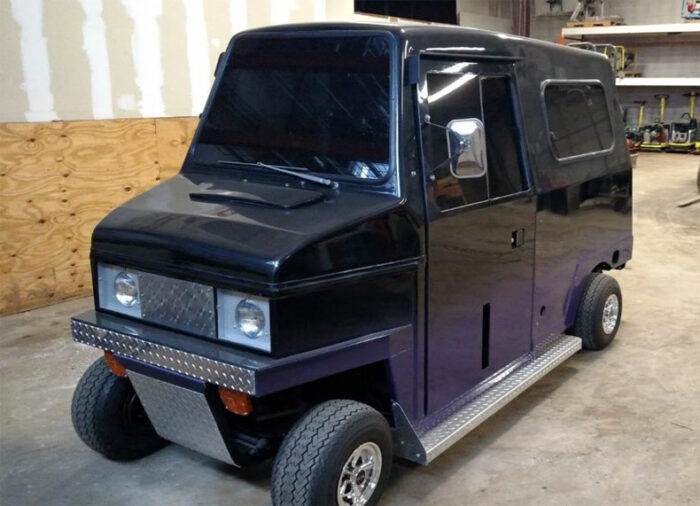
Tip: On repainted restorations, numbers may be under fresh paint. Don't sand hard; a light clean and good flashlight usually does it.
Why VIN Decoding Matters for Classic Cushman
Cushman scooters, made from the 1930s to the 1960s, became a popular and affordable transportation choice, especially after WWII. They came in many styles, from simple scooters to military versions, and today, they're still loved by collectors and enthusiasts.
Restoration
Decoding the VIN helps you identify the engine, model, and trim, so you can find the right parts without making mistakes or having to search twice.
Boost Resale Value
A verified VIN report adds credibility when selling. It shows buyers the scooter's authenticity and helps you price it fairly in the market.
Avoid Mismatched Parts
Over time, frames, engines, and bodies can get swapped. Decoding the VIN helps catch these mismatches early, so you know exactly what you're working with.
Safety and legal peace of mind
Check for clean title brands, any active loans or liens, and whether the scooter has been reported stolen. This info helps you avoid legal headaches before making a purchase.
What Information Can You Get From Classic Cushman VIN Decoder?
Before buying or restoring your classic Cushman, it's smart to get a history report. Here's what you'll get from the report:
Vehicle's Specifications
Get the full breakdown of your classic Cushman. From the engine type to body style, dimensions, wheels, suspension, and more, this helps you understand exactly what you have and what parts you need for a proper restoration.
Title Check
This section shows if the vehicle has any title issues. Check if it was marked as salvage, rebuilt, or has any other red flags. It's essential to know the title status to avoid purchasing a vehicle with hidden legal problems.
Theft Records
You'll be able to see if your Cushman was ever reported stolen. The report will provide the date, location, and source of the stolen vehicle record. Helping you avoid buying something that could land you in legal trouble.
Accident Records
Find out if your Cushman was involved in any accidents. You'll see the date and location of each incident. The history comes from reliable sources like insurance companies and junkyards, so you can rest easy knowing you're getting the full story.
Mileage Records
This is where you can verify the mileage of your Cushman. The report will show recorded mileage over time, along with the dates and last known mileage readings, so you can check if it aligns with the seller's claims.
Lien or Loan Records
Ensure the vehicle isn't tied up in any unpaid loans or liens. If there's any outstanding financial obligation, you'll be able to see it here, preventing you from being stuck with someone else's debt.
Auction History & Market Value
Check if your classic Cushman has ever been sold at auction or online listings. You'll find the location, date, and market value, plus up to 10 pictures that show the scooter's condition at the time. This helps you understand how it was valued and what condition it was in when it changed hands.
Ownership History
See how many owners your Cushman has had, when they bought it, how long they kept it, and where it was registered. While full owner details aren't available for privacy reasons, you'll get a solid idea of its past and any potential wear and tear.
How to Use the Classic Cushman VIN Decoder?
To use the Classic Cushman VIN Decoder, have your VIN ready first. Then follow the quick steps to get your results.
Step 1: Find the VIN
Check the frame tag or paperwork. If paint hides it, use a flashlight at an angle. If you’re stuck, look again at the steering neck or under the seat.
Step 2: Fill in the Form
Type the number exactly as stamped. Watch the usual mix-ups, like 2 vs Z, I vs 1, O vs 0, and make sure you type it with no spaces.
Step 3: Get the Report
You’ll see a quick preview. Then grab the full classic report to read specs, market value, and the history records of your classic Cushman.
Get Classic Cushman Build Sheet by VIN
The Cushman build sheet by VIN spells out how your scooter or utility rig left the factory, including the series, engine, paint/trim, and key options. It's the map you wish you had on day one. Pair it with the history report, and you'll know which parts to keep, which to swap, and how far from original the project sits. Get the build sheet before you order parts; it saves money and arguments later.
Brief History of Classic Cushman
Today, Cushman is remembered for its role in popularizing personal transportation and for being a beloved brand among collectors.
- 1903 – Cushman starts as a small engine company in Nebraska, building gas engines for farm equipment and other machinery.
- 1930s – During the Great Depression, Cushman began making scooters and small vehicles as affordable, efficient transportation for people who needed cheap ways to get around.
- World War II – Cushman builds military versions of its scooters, including the Model 53, which are used during the war for lightweight, portable transport.
- Post–World War II – After the war, Cushman scooters became widely popular thanks to their reliability and affordability. Models like the Eagle and Highlander turn into symbols of American freedom and everyday mobility.
- 1960s–early 1970s – Production continues into the 1960s, but as larger motorcycles and more modern vehicles gain popularity, Cushman stops making scooters in the early 1970s.
Supported Classic Cushman Models
You can now successfully decode VINs for these classic Cushman models:
Decode Classic VIN by Manufacturer
Need to verify another classic before sending payment? Select the manufacturer, enter the VIN, and quickly see its configuration and available history.
FAQ About Classic Cushman VIN Decoder
What is the rarest classic Cushman?
There isn't one universally agreed “rarest.” Rarity depends on production numbers, options, and how many survived. Limited-run military models, certain Eagle variants, and unusual utility builds can be scarce. Check serial ranges, club registries, and period literature before making a claim.
How do I check the VIN/serial number on a classic Cushman?
Cushman often used shorter serial numbers, not modern 17-digit VINs, before 1981. Look on the frame neck/steering head or frame tube under the seat (scooters), on the dash or frame rail (Truckster/Haulster), and on paperwork. Then use a classic-aware Cushman serial/VIN decoder like Classic Cushman VIN Decoder by Detailed Vehicle History.
How can I tell if a serial/VIN number was tampered with?
Inspect the plate and stamp: uneven or fresh stamping, mismatched fonts, grinder marks, new rivets on an old plate, or paint age that doesn't match around the tag are red flags. Cross-check the number against engine tags (if present), casting dates, and the title/registration.
Will the report show accidents, theft, or title brands?
Where available, yes. You may see accident/damage entries, theft records, title brand checks, mileage readings, liens/loans, plus auction/sales history and photos. This helps you estimate market value and verify claims.
My serial returns “invalid.” What now?
An “invalid VIN” means there was an error when entering the VIN. Re-enter it carefully, watch 2/Z, I/1, O/0, and remove spaces. Try another location on the machine or the paperwork. If it's an older short serial, make sure you're using our classic Cushman VIN decoder rather than a modern-only 17-digit tool. If paint obscures digits, use angled light and clean gently.