
Classic Mopar VIN Decoder
Even though the Mopar no longer exists, the legacy it left behind made a lot of people look for the classic version of the vehicle. If you are a seller or buyer, decode the classic VIN and get the classic report to see the specs and records.
Table of Contents:
What is a Classic Mopar VIN?
Vehicle Identification Number (VIN) is a unique identification code assigned to a vehicle. On a modern vehicle, the VIN consists of a 17-digit number and letters; however, the VIN length is a bit different compared to a classic vehicle. On classic vehicles, the VIN is only 5 to 14 digits long.
If you are a buyer or seller, running a classic Mopar VIN decoder is crucial. The classic Mopar VIN decoder helps you decode the classic VIN and get the detailed information on the vehicle through the classic history report.
Where to Find the VIN on a Classic Mopar?
Finding the VIN on a classic Mopar can take a bit of patience, as the placement often varies by model and production year. Most of the time, the VIN is located in one of the following areas:
- Dashboard Area: The most common location is on a metal plate near the windshield, usually on the driver's side. You can see it from outside the car, through the lower corner of the glass.
- Driver's Door Jamb or Frame: Many classic Mopar have a small tag or sticker with the VIN attached to the door frame. It's often visible when you open the driver's door.
- Firewall: Some older models have the VIN stamped directly onto the firewall in the engine bay, usually on the driver's side.
- Steering Column Area: On certain models, you might find the VIN printed on a small plate beneath or behind the steering column.
- Official Documents: If the VIN isn't easy to spot on the vehicle, it's always listed in paperwork like the title, registration, or insurance documents.
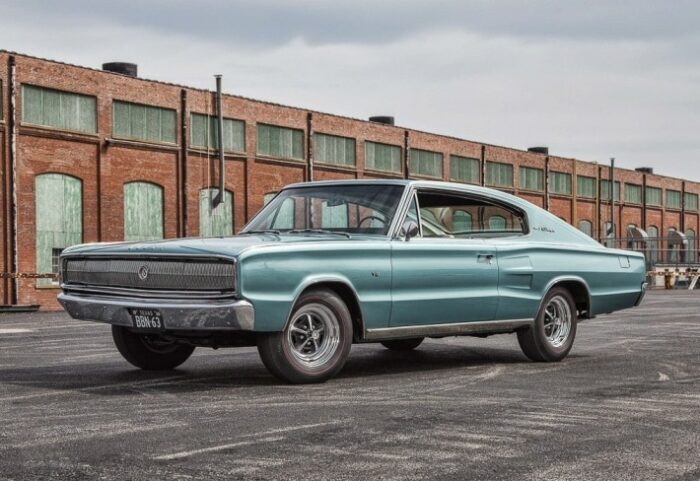
Because older Mopar cars were produced across different factories, the exact VIN location can vary slightly. It is better to check multiple spots to get the VIN.
Why Do You Need to Decode the Classic Mopar VIN?
Decoding the VIN of a classic Mopar can help you get the detailed information on its engine, parts, and drive type, and more. If you plan to restore, sell, or buy a classic Mopar, it's suggested to decode the VIN and get the full report.
Restoration project
The classic report helps find the right engine type, body parts, and even paint codes that match the car's original build. Without finding the right vehicle's specifications, restorers might end up using parts that don't belong to that specific model or year.
Stress-Free Transaction
A classic Mopar VIN decoder helps avoid costly mistakes. It reveals important details such as records, correct model information, and whether the car still has its original factory parts instead of replaced components.
Collectors
Authenticity means everything for collectors. Using a classic Mopar VIN decoder makes it easier to confirm if the vehicle still carries the original engine, chassis, and design features from the factory. This helps maintain both the car's originality and its long-term value.
Check if the Car Was Stolen
Get the right information if the car was ever stolen previously by decoding the VIN, and get the report.
What Will You Find Through Classic Mopar VIN Decoder?
Once you've successfully decoded the VIN, you will get the classic car report, and you can examine the information to make a good listing point and avoid getting scammed by the seller. Here's the snippet of what information you will be getting from the classic Mopar report:
Vehicle Specifications
Check the detailed vehicle specifications like the drive type, engine capacity, fuel capacity, country of origin, and MSRP. See the vehicle's specifications to ensure that the car matches your requirements and budget.
Title Brand Check
Check if the vehicle has other titles aside from the clean title. See if the vehicle was marked as salvage, rebuilt, lemon, manufacturer buyback, and more. Remember to purchase a clean-titled car so it's easier to register.
Auction History
Find out if the vehicle was ever sold at an auction. In this section, you will get the detailed information about the car's auction history information including the auction date and location, the final price, and get real pictures that show the car's condition during the auction.
Accident History
If the vehicle has ever been involved in an accident, this the accident history section will include the detailed information of where the accident happened, when it happened, and how many times the vehicle was involved.
Damage Verification
Lists all the damages that the vehicle might have suffered from. In this section, you can see if the vehicle was damaged by accident, fire, or even caused by a natural disaster like a flood.
Past Owners Record
Check how many people have owned the car. In this section, you'll get the detailed information on the vehicle's past owners, including the detailed information about year of purchase, the ownership duration, and the location where the vehicle was registered.
Stolen Vehicle Check
A classic Mopar VIN Decoder can get you the complete information of the stolen vehicle, including the date, location, and source of the theft record. This ensures you're not unknowingly purchasing a vehicle with unresolved theft issues or potential legal complications.
Past Usage
Check how the car was used in the past. See if it was used as a personal vehicle, rented, leased, or even used as a government vehicle. Knowing the car's previous use can give you insight into its condition and potential wear-and-tear based on how it was driven.
How to Use the Classic Mopar VIN Decoder Tool?
To use the classic Mopar VIN decoder, you just need to have the VIN in your hands and fill in the form above to decode the VIN and get the vehicle report.
Step 1: Find the VIN
Check the VIN of the Mopar vehicle you want to purchase. Examine the vehicle’s paperwork to find the VIN.
Step 2: Fill in the Form
Click on the form above, then fill it out with the VIN. Then, click on the button to submit the form.
Step 3: Get the Report
Wait for seconds for the report to be generated. Then, proceed to payment to get the full classic car report.
Get Classic Mopar Build Sheet by VIN
Buying or selling a classic car? The classic Mopar build sheet helps confirm its true factory setup, from colors to safety features. From its unique colors and features to crucial safety equipment, the build sheet offers an in-depth look at the vehicle's authenticity. Use the VIN to access these vital details, ensuring you know exactly what you're working with and protecting your investment in a true classic.
The History of Classic Mopar
Classic Mopar history started in 1929 as the Chrysler Motor Parts Corporation, created to supply parts for Chrysler vehicles. The name Mopar, a blend of “motor” and “parts,” was trademarked in 1937.
Mopar became synonymous with Chrysler's muscle cars, notably in the 1960s and 1970s, featuring iconic models like the Plymouth Barracuda and Dodge Charger. These cars symbolized American muscle car power and style. Mopar today continues this legacy with personalization, performance, and parts for Dodge, Chrysler, Jeep, and Ram vehicles.
Supported Classic Mopar Models
Check our supported classic Mopar models
Decode Classic VIN by Manufacturer
Need to verify another classic before sending payment? Select the manufacturer, enter the VIN, and quickly see its configuration and available history.
FAQ About Classic Mopar VIN Decoder
Can a Classic Mopar VIN Decoder tell if my car still has the original engine or transmission?
Yes, it can. Many classic MOPARs have gone through engine swaps over the years. A VIN decoder helps you confirm if the current engine and transmission match the factory records. This information is very useful for collectors or restorers who want to keep their vehicles as original as possible.
Does a Classic Mopar VIN Decoder show where my car was built?
In most cases, yes. Older Mopar VINs include factory codes that reveal the plant where the car was made. For example, the VIN might show if the car came from the Lynch Road, Hamtramck, or St. Louis plant. Knowing this adds more detail to your car's story and helps verify its authenticity.
Can I use a Classic Mopar VIN Decoder to verify rare or limited-edition models?
Yes. The VIN decoder can help confirm if your car belongs to a special edition, such as a Road Runner Superbird or Dodge Charger R/T. These details are often hidden in specific VIN digits that identify performance packages or limited runs, helping you prove your car's rarity and value.