
Classic Mitsubishi VIN Decoder
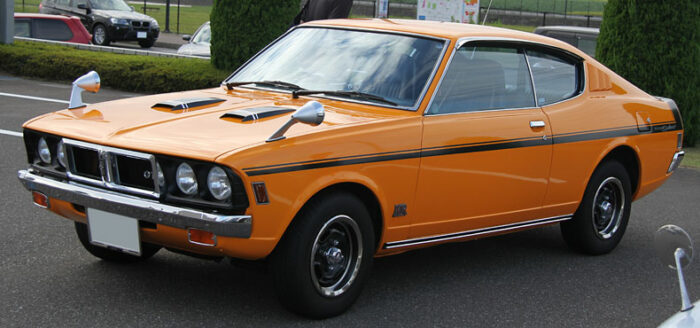
Want to know a classic Mitsubishi real story? Decode the VIN with the Classic Mitsubishi VIN Decoder and confirm make, model, year, and factory specs. You’ll also see market value and hidden history so that you can judge the car’s true worth with more confidence.
What is a Classic Mitsubishi VIN
A VIN (Vehicle Identification Number) is the car’s ID tag. Modern cars use a 17-character VIN, standardized since 1981. Classics don’t always follow that rule. Older Mitsubishi vehicles often use shorter, brand-specific formats (commonly 5–14 characters) and proprietary sequences that point to model, plant, or production run.
That’s why a normal “modern-only” lookup can miss things, or show you the invalid/blank page. Our Detailed Vehicle History tool reads non-17-digit Mitsubishi numbers and maps them to a classic report that makes sense to restorers, buyers, and sellers.
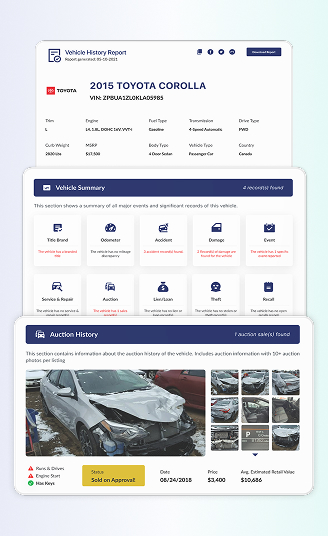
If you restore, sell, or collect, it’s worth running a classic Mitsubishi VIN decoder and grabbing the classic report. You will get the specs and records like accident, damage, recall, auction, and sales data, market value, mileage records, and theft checks.
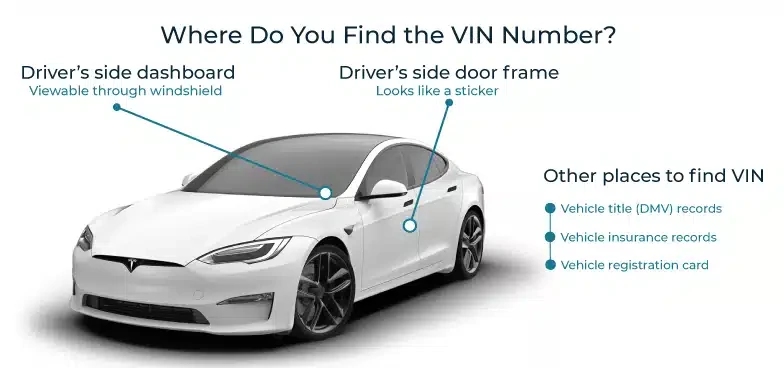
Where to Find the VIN in a Classic Mitsubishi Car?
On vintage Mitsubishis, the VIN is typically stamped/engraved in multiple locations on the vehicle. You can search it on:
- Driver’s door jamb or door edge plate/sticker
- Firewall/bulkhead ID plate or stamp; sometimes the inner fender or radiator support
- Chassis rail or front strut tower (engine bay)
- Top of the dashboard at the base of the windshield
- Engine block or transmission housing (partial stamp on some markets)
- Registration, title, or insurance papers if the metal tag is missing
Clean that part gently, don’t sand if you plan to show the car. If one spot fails, try the next location and match it with the paperwork.
Why VIN Decoding Matters for Classic Mitsubishi Cars
Decoding a classic Mitsubishi VIN is crucial, especially when you want to make sure that the car is in its original condition and has no fake parts installed. Below is the extra reason why it’s important:
Resale and valuation
A decoded VIN plus a history report gives buyers confidence and helps you price with a cooler head.
Fraud and stolen-car protection
Number tampering happens. A proper decode and the records check of the Mitsubishi can flag mismatches early.
Mismatched parts
See if the vehicle has Starion turbos, early Galant, or Lancer swaps. Make sure the chassis and drivetrain are the ones you expect to get.
Safety & legal checks
Knowing the title brands, recall status, and lien/loan records of the car can save a lot of hassle with insurers and DMVs.
What Information Can You Get From Classic Mitsubishi VIN Decoder?
Once you’ve successfully decoded the VIN from our Classic Mitsubishi VIN Decoder, you will receive the classic Mitsubishi report that covers everything from the detailed specification information to the history, like the recalls and auction records.
Vehicle’s Specifications
You’ll see factory details like engine code and displacement, fuel system, transmission, gear ratios, suspension notes, wheel/tire sizes, dimensions, and trim info. Perfect for parts ordering, restorations, or just proving what the car really is.
Auction History & Market Value
Curious what similar Mitsubishis have brought at sale? Where available, the report shows auction dates, locations, sale prices, and trends. This was handy for pricing, insurance, or deciding if now’s the moment to buy or sell.
Accident History
The Accident History part of the classic Mitsubishi VIN decoder checks for recorded crashes and insurance claims linked to the VIN. It can highlight major collisions, total-loss events, or times when airbags were deployed on newer classics.
Damage Verification
Not all serious damage comes from a normal road accident. The Damage Verification section looks for other problem events that may have affected the Mitsubishi, such as flood, fire, hail, heavy rust, or major frame repairs.
Odometer Records
With older Mitsubishis, the odometer might have rolled over, been replaced, or even been tampered with. The Odometer Records section lines up mileage readings reported at inspections, registrations, and auctions for that Mitsubishi VIN. You see a timeline of how the distance has increased over the years.
Ownership records
The Ownership records part of the Mitsubishi VIN decoder tells the story of who has held the keys over time. It can show how many previous owners the classic Mitsubishi has had, roughly how long each one kept it, and in which states or regions it was registered.
Theft Records
Classic Mitsubishis, especially rare or sporty models, can be attractive targets for thieves. The Theft Check section scans databases to see if the Mitsubishi VIN was ever reported stolen, and in some cases, whether it was later recovered. This matters a lot if the car has been imported or passed through many owners.
Recall History
The Recall History section looks at safety and quality campaigns issued by Mitsubishi that may apply to that VIN. Even for older classic Mitsubishi vehicles, this is useful because it ensure your future classic is not only interesting but also as safe and reliable as it can reasonably be.
How to Use the Classic Mitsubishi VIN Decoder?
To use the Classic Mitsubishi VIN Decoder, have your VIN ready first. Then follow the quick steps to get your results.
Step 1: Find the VIN
Look at the car (door jamb, firewall plate, chassis rail, dash top) or at your paperwork.
Step 2: Fill in the Form
Enter the VIN (chassis number) in the Classic Mitsubishi VIN Decoder and submit.
Step 3: Get the Report
Review the preview, then download the full classic report for deeper insight. Simple..
Get Classic Mitsubishi Build Sheet by VIN
A build sheet validates factory spec and is easy to file with appraisals or agreed-value policies. When combined with the classic market value and past sales info, it gives your insurer and your accountant something solid to work with. If you ever rotate a car out, the next buyer will appreciate the paper trail. That credibility is part of the car’s value now.
Brief History of Classic Mitsubishi
The history of classic Mitsubishi vehicles is rooted in the larger Mitsubishi industrial conglomerate, founded in 1870 as a shipping company. Today, Mitsubishi Motors is part of the Renault–Nissan–Mitsubishi Alliance, sharing technology with its partners.
- 1870 – The Mitsubishi story begins as a shipping company in 1870, growing into a large industrial conglomerate long before it becomes a carmaker.
- 1918–1921 – Mitsubishi builds the Model A, hand-assembling 22 units between late 1918 and 1921. It’s widely recognized in Japan as the country’s first series-production passenger car and remains a major point of pride for the brand.
- Mid-1930s – Pre-war innovation continues with the PX33, an early full-time 4WD passenger-vehicle prototype. Although it never reached mass production, it planted the seeds for Mitsubishi’s later reputation for rugged drivetrains and four-wheel-drive technology.
- Post– After the war, Mitsubishi focuses on compact cars and global exports, gradually establishing itself in world markets with practical, economical vehicles.
- 1960s–1990s – Many Mitsubishi models from this period are now considered classics:
- Galant and Lancer families
- Debonair luxury sedans
- Colt and Minica small cars
- Starion turbo coupes
- Pajero/Montero and Delica 4×4 workhorses
- Performance nameplates like GTO and FTO
Rally and performance programs during these decades helped cement Mitsubishi’s image as a maker of tough drivetrains and lively handling.
Supported Classic Mitsubishi Models
You can now successfully decode VINs for these classic Mithubishi models:
- Mitsubishi Lancer
- Mitsubishi Eclipse
- Mitsubishi Galant
- Mitsubishi Mirage
- Mitsubishi Montero
- Mitsubishi Starion
- Mitsubishi Cordia
- Mitsubishi Tredia
- Mitsubishi Colt
- Mitsubishi Pajero
Decode Classic VIN by Manufacturer
Have a mix of classics from different brands? No problem! Just select each manufacturer from the list, decode the VINs, and see their specs and recorded history.
FAQ About Classic Mitsubishi VIN Decoder
Do classic Mitsubishis have fewer than 17 characters in the VIN?
Yes, many pre-1981 vehicles use shorter, brand-specific numbers. Our classic car VIN decoder reads these legacy formats and decodes them to be easy to read and understand.
What does your Mitsubishi VIN number tell you?
The VIN number of any classic Mitsubishi vehicle can tells a wealth of information of the past of the vehicles, such as accident records, auction information, title, mileage information, and more.
Which classic VIN decoder should I use?
Detailed Vehicle History specializes in pre-1981 decoding and classic reports that gives you specs, market value, and records, like mileage, accident & damage records, lien/loan records that supports non-17-digit Mitsubishi formats.
Do Mitsubishis hold their value?
The value of the Mitsubishis depends on condition, originality, documentation, and demand for the specific model (for example, Starion, early Pajero/Montero, GTO/3000GT, first-gen Lancer/Galant lines). Your report’s market value and auction/sales history sections help you price realistically, not just by hearsay.
Is Mitsubishi owned by Nissan?
Mitsubishi Motors is part of the Renault–Nissan–Mitsubishi Alliance. Nissan is a major shareholder. The brand itself still exists. This matters because some parts and records overlap across alliance platforms, especially on newer “classic-age” vehicles.
What’s the difference between Mitsubishi GS and GL?
GS/GL are trim designations used in different markets/years (equipment, interior, sometimes engine). On an older car, brochures and local spec sheets varied. Decode the chassis/VIN and check the specs section; it’ll confirm the actual trim content for that build.