
Datsun

Classic Datsun VIN Decoder

Decoding a classic Datsun VIN helps you to see the car’s true identity, history, and originality. It’s an important step to take for collectors, buyers, and restorers who want to confirm the car’s authenticity.

10% OFF
question-mark Why do we need your phone number?
Why do we need your phone number?
We'll send your vehicle report or sticker link via text for easy access.
Our support team may contact you if we find issues with your report or sticker.
Your data is never shared with third parties.
Get 10% off your purchases by providing your phone number.

What is a Classic Datsun VIN

A VIN (Vehicle Identification Number) is the car’s ID. Modern cars use a 17-character format set in the early 1980s. But many classic Datsuns don’t play by that rule: earlier cars often use shorter, proprietary chassis numbers (5–14 characters is common). That’s why a classic-focused decoder is needed. Because the patterns can vary by model line, year, and market.

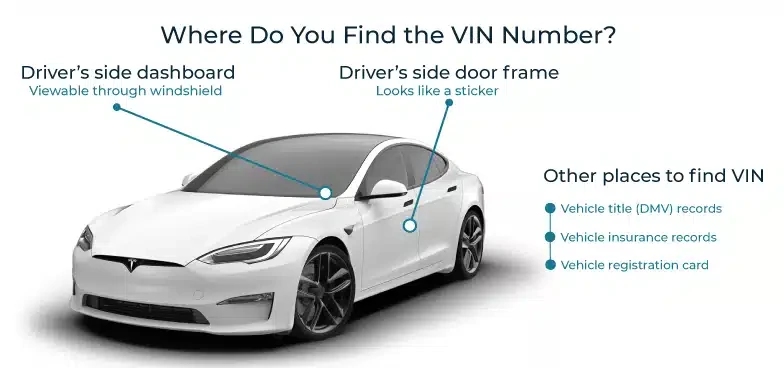
Where to Find the VIN on a Classic Datsun

Older Datsuns can hide their numbers a little. Try these spots (it varies by model and market):

  • Engine bay plates: Firewall/bulkhead tag or radiator support.
  • Strut tower / inner fender: Common on Z-cars and later models.
  • Door jamb/driver’s door frame: Metal plate or printed label.
  • Frame rails/crossmember (trucks): Stamped into the metal.
  • Paperwork: Title/registration, old service books, customs/import docs.

If you don’t see it at first glance, take a breath and check again. Datsun placement wasn’t perfectly consistent, especially on earlier cars. (That inconsistency is also why specialized decoders and guides exist.) 

Classic Datsun VIN Decoder

Why VIN Decoding Matters for Classic Datsun Cars

Whether you are restoring, buying, or selling, decoding your Datsun VIN provides valuable information.

Restoration Sanity

Was your 240Z born with an L24 and a 4-speed, or did someone swap things before? The number tells you what parts to hunt and which to avoid.

Resale Confidence

A decoded chassis number that matches paperwork and known specs puts buyers at ease and helps value.

For Collectors

nowing the original configuration helps you source period-correct parts and plan paint/trim decisions without guesswork.

Fraud/Theft Detection

By decoding the VIN, you can be informed of the original parts that were installed initially. This is important to help you find out if the bike has fake parts.

No More Mismatched Parts

Datsun lines changed mid-run more than once. Decoding keeps you from ordering the wrong bits. .

Verify Mileage Accuracy

Odometer inconsistencies can signal tampering and impact reliability, resale value, and maintenance planning.

What Can You Get From the Classic Datsun VIN Decoder?

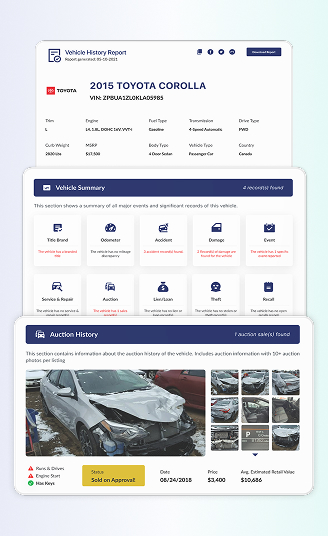
Our classic Datsun VIN decoder gets you all the needed information before you decide to buy a used Datsun. Here’s a snippet of what you’ll be getting on the classic Datsun history report.

Vehicle’s Specifications

Model/series, body style, original engine type, transmission, and key equipment. Ensure the car in front of you matches how it left the factory. Super handy for parts ordering and restoration choices.

Recalls History

Check if the car was recalled. In this section, you will get the complete information on the recall causes, date, and the things that were done by the manufacturer to resolve the recalls. You can also check the recall status, like open/fixed.

Mileage Reading

Check the recorded mileage of the bike from the first time it was purchased, along with the date and the last recorded mileage of the vehicle before it was put on sale. This helps ensure that the listed mileage is consistent with the bike’s history and hasn’t been altered over time.

Accident Records

If incidents were reported, this section shows how many and the dates/locations. It’s an at-a-glance way to gauge past damage and decide what to inspect more closely, such as panel gaps, frame rails, you know the drill.

Damage Verification

See the car’s damage beyond crashes, such as flood, fire, hail, structural issues, or even salvage auction flags (when reported). Good to know before you chase paint codes or start metalwork.

Title Brand Check

Clean, rebuilt, salvage, lemon, this section summarizes how the vehicle was officially classified over time. It helps you understand risk, registration hurdles, and how past events might affect value.

Auction History & Sales History

Past listings, sale dates, locations, lot numbers, and when available, final bids/sale prices and photos. Great for spotting flip cycles, condition changes, or a salvage-to-rebuilt journey. If you care about provenance (and most collectors do), this section is gold.

Theft Records

No one wants drama after buying a car. If the Datsun was ever reported stolen, you’ll see the date, location, and the reporting agency details (when available). This simple step can prevent big headaches.

How to Use the Classic Datsun VIN Decoder?

To use the Classic Datsun VIN Decoder, you will need to have the VIN first. Then, follow these simple steps to get yours.

Search Icon

Step 1: Find the VIN

First of all, you will need to find the VIN of the classic Datsun you want to check. Examine the vehicle’s documentation to get the VIN.

Report Icon

Step 2: Fill in the Form

Click on the form above, then type the VIN in the form. After that, click on the button to submit the Datsun VIN.

Check Icon

Step 3: Get the Report

Review the preview page, then proceed to the payment to get the full classic car report.

Get Classic Datsun Build Sheet by VIN

A build sheet reveals how the bike left the factory. The build sheet includes its features, colors, and safety options. Check it by VIN to verify every detail and protect your investment in classic Ducati. By reviewing the build sheet, you ensure the bike’s authenticity and preserve its value for future resale.

Brief History of Classic Datsun

The Datsun name was discontinued once more in 2022, after being revived for certain countries, aimed mainly at budget-friendly, entry-level cars, in 2013. Leaving its classic models, such as Fairlady, 510, and the early Z-cars, as the enduring core of its legacy.

  • 1930s–1960s – Datsun develops as Nissan’s export and passenger-car brand, known for approachable engineering, sensible running costs, and lively performance that doesn’t scare everyday drivers.

  • 1960s – The Datsun Fairlady (Roadster) gains attention as a fun, open-top sports car, helping build the brand’s reputation in overseas markets, especially among enthusiasts.

  • Late 1960s–early 1970s – The Datsun 510 punches above its weight in racing and rallying, showing that a small, affordable sedan can perform far beyond its size and price bracket.

  • 1970s – The Z-cars (like the 240Z, 260Z, and 280Z) make sports-car ownership feel realistic for regular drivers, mixing style, performance, and value and turning Datsun into a global icon.

  • Early 1980s – Nissan begins phasing out the Datsun name, switching to “Nissan” in most markets. For a while, a car might wear Datsun badges on the body but show Nissan on the paperwork and dealer materials.

Supported Classic Datsun Models

You can now successfully decode VINs for these classic Datsun models: 

Decode Classic VIN by Manufacturer

Got another classic in mind besides Datsun? Pick the manufacturer below, enter its VIN or chassis number, and we’ll pull the factory specs, build details, and key history for that car.

FAQ About Classic Datsun VIN Decoder

Yes. Our reliable older vehicle VIN decoder makes it easy to get accurate and detailed reports on any classic car.  Simply input the classic car VIN into our classic car VIN decoder to get all the available information and records.

In many cases, yes. The chassis number and supporting records can indicate series, engine family, transmission, and market, which you can compare against what’s on the car today.

Check secondary locations (door jamb, frame stamp for trucks, paperwork). If the number is unreadable, you’ll need expert inspection and supporting documents before registration or sale.

A dedicated classic VIN/chassis decoder is built for these legacy formats and cross-checks multiple data sources for consistency, far more reliable than guessing from a forum post.

The rarity depends on how you define it; it can be by model, by modification, or by total units built. Some of the true contenders for the rarest Datsun include:


  • 1959 Datsun Sports S211: around 20 built, only a few survive.
  • 1969 Fairlady Z432R: fewer than 50; Japan-only, track-focused.
  • Datsun 240Z “Super Samuri”:  177 tuner conversions (not a factory model).
  • Datsun 2000 Fairlady Roadster (’67–’70): about 15,000 made.

In 1934, when Nissan assumed control of DAT, they changed the name of the automaker’s “Datson” brand to “Datsun”. This was because the Japanese word “son” also means “loss” (損 son), which was not an ideal association for a car company. Additionally, the new name paid homage to the sun depicted in the Japanese national flag. As a result, the name “Datsun” was derived from the phrase “Dattosa”.

Datsun, the brand name under which Nissan produced vehicles for several decades, was discontinued in 1986. The decision to phase out the Datsun name was part of a larger strategy by Nissan to simplify its branding and unify its global presence under the Nissan name.


At the time, Nissan was seeking to consolidate its operations and streamline its manufacturing and marketing efforts. By focusing on a single brand, the company hoped to achieve greater efficiency and consistency across its global markets.

Popup Image
Hey, before you leave take discount! 15% OFF

Don't leave the history behind on your vehicle

Check for accidents, title issues, repairs, and more.