Classic Mustang VIN Decoder
Most classic Mustangs built before 1980 use shorter, non-standard VINs that need a dedicated Classic Mustang VIN Decoder from Detailed Vehicle History. Use it to confirm Mustang specs details and scan key records so you can purchase with confidence.
What is a Classic Mustang VIN
A VIN (Vehicle Identification Number) is the car’s fingerprint. Modern cars use a standardised 17-character VIN (since 1981). Classic Mustangs, especially 1964 –1973, often use shorter (5-14 character), model-specific structures and plant codes. That’s why a dedicated classic tool is important.
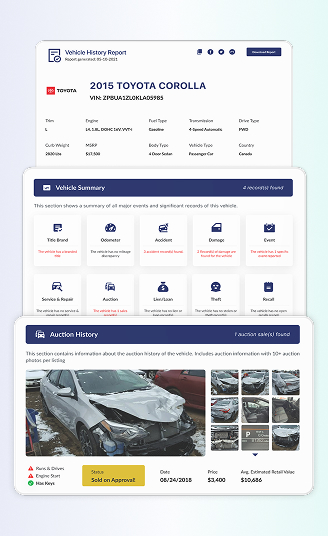
Our decoder is built to read fewer-than-17-character VINs and return specs, and our classic report adds records like title brands, accident/damage checks, theft, odometer readings (where available), liens, auctions, and market value.
If you’re restoring, selling, or buying, decoding a classic Mustang VIN and pulling the classic history report helps you verify the car before money gets involved.
Where to Find the VIN in a Classic Mustang Car?
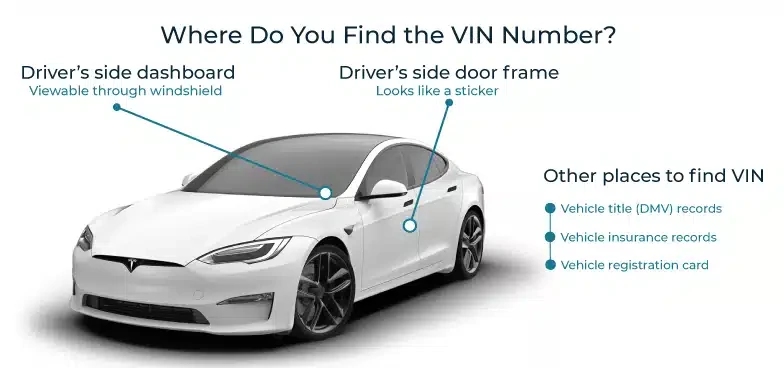
The VIN on a classic Mustang can usually be found stamped or engraved in several areas of the car. It’s important to clean and check these areas carefully, as older VINs might be faded or covered with paint.
- Driver-side dash top (visible through the windshield): common from the 1968 model year onward.
- Driver-door data plate (“warranty tag”): look for a metal plate attached to the door or doorjamb. For 1965-1967 models, this is a key location for the “Vehicle Warranty Number,” which is the VIN.
- Inner fender apron stamp (under the hood): often near the driver-side shock tower; sometimes partially hidden under the fender.
- Buck tag/core support: late-’60s/early-’70s, plant-dependent.
- Paperwork: title, old registrations, insurance cards.
Older stamps can be faint or painted over. Clean gently, take your time, and compare all locations.
Why VIN Decoding Matters for Classic Mustang Cars
Looking to buy, sell, or restore the 1969 Ford Mustang or other collectable beauties? Conducting a classic Mustang VIN lookup is vital for several reasons. For example:
VIN Tampering Check
Decoding a classic Mustang VIN number can help determine if there is any instance of VIN mismatch. This will help a classic car buyer to verify the credibility of the VIN and ownership of the classic Mustang car.
For Buyer
A classic Mustang VIN decoder helps spot VIN tampering or mismatches between the plate, paperwork, and stamped numbers. This lets you verify the credibility of the VIN, ownership, and history, so you don’t accidentally buy a stolen or heavily abused car.
Collectors
Collectors use VIN decoding to confirm rare trims, engine codes, paint colors, and “numbers-matching” status. It’s essential for proving authenticity and preserving the long-term value of special cars like Boss, Mach 1, or limited-production variants.
Private sellers
Decoding the Mustang VIN lets private sellers show original features, options, and build details with confidence. Clear, documented information builds trust with potential buyers and supports stronger, more realistic pricing.
Dealers
Dealers rely on classic Mustang VIN lookups to accurately describe inventory, avoid misrepresentation, and protect their reputation. A proper VIN decode also helps with compliance, fair valuations, and transparent disclosure of specs and history.
Uncover Hidden Damage
Past accidents, flood exposure, or structural repairs may not be obvious during a visual inspection but can affect safety and value.
What Information Can You Get From a Classic Mustang VIN Decoder?
By running a VIN through a classic Mustang VIN decoder, you’ll uncover all sorts of valuable information. Here’s what to expect in the detailed history report:
Vehicle’s Specifications
You'll get a full breakdown of the car’s original specifications, such as engine type, body style, transmission, axle ratio, trim levels, and other factory details. This section lets you verify whether the car has been modified or if it retains its original features. It’s essential for restoration projects, helping you stay true to the car’s original build.
Recalls History
This section shows whether the car has been recalled, including the reason for the recall, the date it was issued, and the corrective actions taken by the manufacturer. It also displays the current recall status, such as open or resolved.
Odometer Reading
The odometer reading shows how many miles the car has travelled. While odometer readings can’t always be 100% accurate (especially for cars that are decades old), they’re still an essential piece of the puzzle. Comparing the mileage to the car’s history helps ensure you're not buying a car that's been overused or misrepresented.
Accident Records
This section reveals whether the car has ever been in an accident and, if so, the severity of the damage. This is crucial for buyers and restorers because it lets you know if the car has sustained any structural damage or repairs. Major accidents can affect the value of the car, and knowing about them beforehand ensures you’re not caught off guard by hidden repairs or issues.
Ownership History
The report shows previous ownership history, including purchase dates, ownership duration, and registration locations. This section does not include private information like names, addresses, and contacts.
Title Brand Check
The title brand check reveals if the car has ever been issued a salvage, rebuilt, flood, lemon, buyback, or any other bad title, which is important to know before purchasing. This check protects buyers from potential issues and lets sellers disclose critical information.
Lien / Loan Records
Lien and loan records check if there’s any outstanding debt tied to the car. Before purchasing, it’s important to ensure the car has no outstanding loans or financial claims on it, so you can confidently move forward with the sale.
Theft Records
Theft records provide information about whether the car has ever been reported as stolen. If the car was stolen and later recovered, it could still have lingering legal or insurance issues. A clean theft record ensures that the car is clear of any criminal activity.
How to Use the Classic Mustang VIN Decoder?
To use the Classic Mustang VIN Decoder, you will need to have the VIN first. Then, follow these simple steps to get yours.
Step 1: Find the VIN
First of all, you will need to find the VIN of the classic Mustang you want to check. Cross-check with the paperwork for a clean match.
Step 2: Fill in the Form
Click on the form above, then enter the VIN exactly as stamped. After that, click on the button to submit the VIN.
Step 3: Get the Report
You’ll see a preview of decoded specs, then proceed to the payment to get the full classic history report.
Get Classic Mustang Build Sheet by VIN
For collectors, restorers, and even curious Mustang fans, a Classic Mustang Build Sheet by VIN is a small document with a big impact. It reveals your car’s unique characteristics and specifications as it left the factory, so you can see what is original and what has changed over time. That clarity supports better restorations, more honest listings, and smoother negotiations. When buyers see a clean history report paired with a proper Mustang build sheet, they’re far more willing to pay a premium.
The History of Classic Mustang
Ford’s vision was clear: to create an affordable sporty car for regular families, leading to the birth of the classic Mustang. Since its debut, the Mustang has made a significant impact on popular culture, appearing in music, movies, and racing. Its iconic design and unmistakable presence have made it a beloved symbol, recognisable even to those who may not be car enthusiasts.
- 1964 – Ford launches the Mustang on April 17, 1964, based on the Falcon. It’s marketed as a new kind of car. A “pony car” with a long hood, short deck, and a price that normal families can reach. It becomes an instant hit, selling over 400,000 cars in the first year.
- 1965–1966 – Early Mustangs are offered as coupes, convertibles, and fastbacks, with bright colors, bucket seats, and options you can mix and match (e.g., engines, trims, stripes, wheels). In 1965, Ford teamed up with Carroll Shelby to create the Shelby GT350, proving the Mustang can be a serious performance car, too.
- 1967–1968 – The Mustang is redesigned to be wider and more muscular, giving more room for bigger engines and a tougher look. It’s still affordable, but the stance and power options make it feel more grown-up and more capable on the street and track.
- 1969–1970 – The lineup expands with new performance heroes: Mach 1, Boss 302, and Boss 429. Engines grow from thrifty sixes and small V8S to serious big-block firepower. Stripes, scoops, spoilers, and uprated suspensions turn some Mustangs into genuine racing legends.
- 1971–1973 – By the early ’70s, the Mustang grew longer and heavier, reflecting the trends of the time. It’s still recognizably a Mustang, but the original first generation closes with the 1973 model year, ending what most people call the “classic” Mustang era (1964–1973).
Supported Classic Mustang Models
You can now successfully decode VINs for these classic Mustang models:
- Ford Mustang Fastback
- Ford Mustang Convertible
- Ford Mustang Boss 302
- Ford Mustang Boss 429
- Ford Mustang Mach 1
- Ford Mustang Shelby GT350
- Ford Mustang Shelby GT500
- Ford Mustang Bullitt
- Ford Mustang GT
- Ford Mustang Cobra
Decode Classic VIN by Manufacturer
Exploring more classic vehicles? Select a manufacturer below and use our VIN decoder to confirm engine, body style, trim, and other factory details for that specific classic.
FAQ About Classic Mustang VIN Decoder
Do classic Mustangs have 17-digit VINs?
Usually no. Classic Mustangs do not usually have 17-digit VINs. Most pre-1981 Mustangs use shorter VIN formats that vary by model year and assembly plant. Our decoder is specifically designed to decode these older VIN formats accurately, giving you the right details every time.
What is a Classic Mustang VIN decoder?
A classic Mustang VIN decoder is a unique tool developed by Detailed Vehicle History to decode classic Mustang VIN numbers. This service allows users to access basic information, such as the year, make, and model of the vehicle. You will also be able to get information about the engine.
What is a Classic Mustang VIN number?
A classic Mustang VIN is a unique identifier assigned to Mustangs manufactured before 1981, often with fewer than 17 digits. These older VINs can range from 5 to 14 digits, depending on the model year and assembly plant. VINs used before 1968 typically had 5-6 digits, while later models used longer formats.
What does the 8th digit of the VIN mean?
The 8th digit of a classic Mustang VIN typically indicates the engine type. For example, in a 1968 Mustang, this digit could represent a 289 V8 or a 390 V8 engine. This is crucial for verifying the vehicle’s original powertrain and authenticity. Engine codes may vary across years and models, so decoding this digit helps confirm the Mustang’s original specs.
How can I decode a Classic Mustang VIN?
It’s easy to decode a classic Mustang VIN number when you use the Detailed Vehicle History classic VIN decoder. With this service, you can obtain some basic information about a car, and decoding the classic VIN can give you access to the classic vehicle history report and classic window sticker. As it is, Detailed Vehicle History is the industry’s first to provide window stickers for classic cars.