Classic Chrysler VIN Decoder

Decoding a classic Chrysler VIN is one of the best ways to uncover the true identity of the vehicle. Whether you’re restoring, selling, or buying, the Classic Chrysler VIN Decoder helps you get the classic report to check specs and past records.

10% OFF
question-mark Why do we need your phone number?
Why do we need your phone number?
We'll send your vehicle report or sticker link via text for easy access.
Our support team may contact you if we find issues with your report or sticker.
Your data is never shared with third parties.
Get 10% off your purchases by providing your phone number.

What is a Classic Chrysler VIN

A VIN (Vehicle Identification Number) is the car’s ID. Modern cars use a 17-character VIN standardized in 1981. Many classic Chryslers, however, don’t follow that modern rule; they often have shorter, brand-specific sequences (commonly 5 –14 characters) that need a decoder designed for legacy Mopar formats. Our Classic Chrysler VIN decoder interprets those older patterns and, with the history report, shows you specs and records in one place.

If you’re restoring, buying, or selling, decoding the classic Chrysler VIN and pulling the classic history report is a smart first step. Honestly, it’s the easiest way to see what the car really is. 

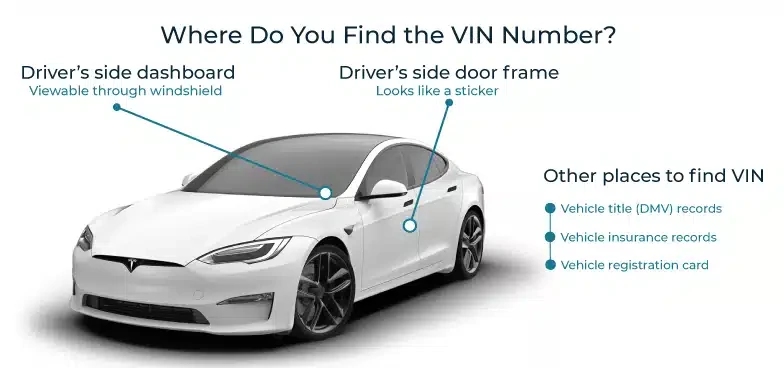
Where to Find the VIN in a Classic Chrysler Car?

The VIN on a classic Chrysler can usually be found stamped or engraved in several areas of the car. It’s important to clean and check these areas carefully, as older VINs might be faded or covered with paint. Common places to look:

  • Driver’s side inner door post: On many 1967-and-later models, this is the usual home for the VIN tag.
  • Firewall (engine bay): Often stamped or plated on the firewall, commonly near the windshield wiper motor area.
  • Passenger-side door hinge post: On some pre-WWII cars, the serial number lives here.
  • Instrument panel: For 1929 and earlier models, look on or just above the instrument panel.
  • Vehicle documents: The VIN/serial number will be on your title, registration, and insurance card, handy when the plate is hard to read.

What to watch for

  • VIN tag vs. data (fender) tag: Don’t mix them up. The data tag lists build info like paint and options, it’s not the VIN.

  • Different eras, different formats: Classic Chryslers may use shorter, non-17-character serial/VIN formats. That’s normal for the time period, and why our classic-specific decoder helps.
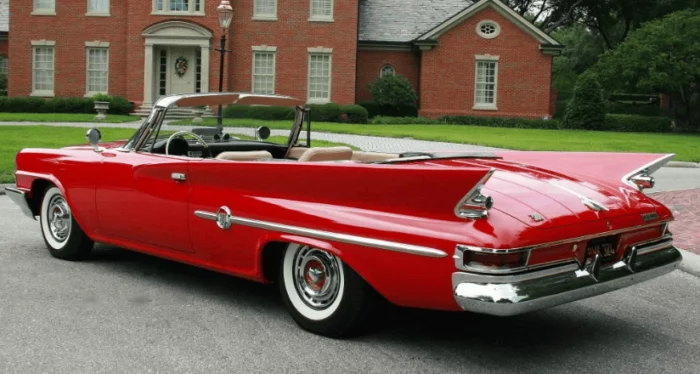
Chrysler classic car

Why VIN Decoding Matters for Classic Chrysler Cars

If you’re into old Chryslers, decoding the VIN is your first reality check. It’s how you pull the car’s original specs and past records together. So you don’t fall for a shiny paint job with a messy backstory.

For Restorers

Make sure every replacement part, finish, and trim detail matches what Chrysler built at the factory. No guesswork, just the right bits.

For Buyers & Sellers

Confirm authenticity and spot any mismatched engines, badges, or interiors before money changes hands.

For Collectors

Verify originality to protect historical significance and market value, For example, the 300 “letter series,” Town & Country, New Yorker, all the icons.

For Security

VIN decoding can reveal if a Chrysler was stolen, salvaged, or had its odometer rolled back. Honestly, that’s peace of mind you can’t fake.

What Information Can You Get From Classic Chrysler VIN Decoder?

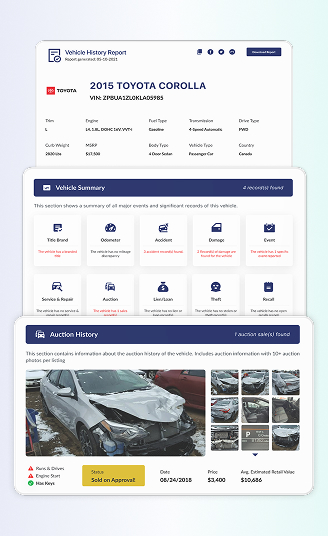
After you decode a classic Chrysler VIN, you’ll get a full history report that shows both the car’s past and its present condition. It helps buyers, sellers, and collectors make calm, confident decisions. Here’s what you’ll typically see:

Vehicle’s Specifications

A clear snapshot of the original build, including the body style, engine family, fuel system, transmission, plant/country of manufacture, and key options. Perfect for checking if the car still matches its factory setup and your restoration plan.

Warranty Records

Every used car may still have warranty coverage, but the key is knowing whether it remains active. A report helps review coverage details and limits, including manufacturer warranty, roadside assistance, or extended protection plans.

Odometer Reading

You’ll see mileage entries with dates, so you can spot odd jumps, long gaps, or numbers that move backward. If the story doesn’t add up, you’ll know before money changes hands. It’s a simple way to check for possible rollback and judge how the Chrysler was driven and maintained over time.

Damage Verification

This part flags incident types and when they occurred, from water exposure to major impacts. Giving you clarity. With the timeline in hand, you can check rails, floors, and seams, ask smarter questions, and budget for fixes instead of discovering surprises after the purchase.

Theft Records

We check for any stolen reports tied to the Chrysler’s VIN number, plus recovery details when available. It’s another layer of security for buyers, sellers, and insurers. If a past theft exists, you’ll see when it was reported and how it was resolved, so your paperwork stays clean and registration goes smoothly.

Lien or Loan Records

It’s important to check whether the vehicle still has an active loan or lien with a bank or finance company. If the debt wasn’t cleared by the previous owner, it could become the new buyer’s responsibility, making a clean record essential.

Auction History & Market Value

If the Chrysler crossed an auction block, you’ll see dates, locations, and outcomes, plus photos when available to show the condition at the time. Paired with market value signals, this helps with pricing, negotiation, and insurance. You can compare prior sale results to today’s ask and talk numbers, not feelings.

Recall History

Here you’ll find model-specific recalls tied to the Chrysler’s year and configuration, with reasons, dates, and status when available. It’s handy for planning repairs and parts sourcing. If a recall remains open, you’ll know to address it first before long trips, shows, or a pre-sale inspection

How to Use the Classic Chrysler VIN Decoder?

To use the Classic Chrysler VIN Decoder, you will need to have the VIN first. Then, follow these simple steps to get yours.

Search Icon

Step 1: Find the VIN

First of all, you will need to find the VIN of the classic Chrysler you want to check. Examine the vehicle’s documentation to get the VIN.

Report Icon

Step 2: Fill in the Form

Click on the form above, then fill out the form with the VIN. After that, click on the button to submit the VIN.

Check Icon

Step 3: Get the Report

Review the preview page, then proceed to the payment to get the full classic car report.

Get Classic Chrysler Build Sheet by VIN

A great Chrysler has a story. The Build Sheet by VIN helps you tell it clearly, such as factory colors, trim, options, and key mechanical details that define the car’s identity. Judges and club registrars appreciate proper documentation; so do future buyers and your own records. If you show the car, a Build Sheet backs up placards and score sheets. Upgrade to include the Chrysler Build Sheet by VIN with your report and keep your car’s history crisp and complete.

Brief History of Classic Chrysler

Today, FCA merges with PSA to form Stellantis, and Chrysler becomes one of Stellantis’s brands, with its classic legacy rooted in big cruisers, bold engineering, and comfortable American luxury. This moment marks a significant chapter in the ongoing story of Chrysler, which has a rich history characterized by innovation, resilience, and a commitment to American automotive excellence. 

  • 1925 – Walter P. Chrysler establishes the Chrysler brand, which quickly grows into one of America’s major carmakers.

  • 1934–1937 – Chrysler pushes engineering and aerodynamics with the Airflow, a wind-tunnel-inspired model that’s ahead of its time, even if sales are mixed.

  • Post-World War II – The lineup settles into large, comfortable cars such as the Windsor, Saratoga, New Yorker, and wood-trimmed Town & Country wagons and convertibles, aimed at relaxed American boulevard driving.

  • 1950s–1960s – Chrysler chases speed and prestige with the 300 “letter series” grand tourers: powerful, limited-production cars that are now highly collectible.

  • 1970s–1980s – Models like Newport, Cordoba, LeBaron, and Fifth Avenue carry the plush, boulevard-cruiser feel into the ’70s and ’80s, keeping Chrysler’s comfort-focused image alive.

  • Late 1990s–2007 – The original Chrysler Corporation enters a major partnership/merger phase as DaimlerChrysler, linking the American brand with Mercedes-Benz under one corporate roof.

  • Late 2000s–2010s – After DaimlerChrysler, the company transitions through Chrysler LLC and then becomes part of Fiat Chrysler Automobiles (FCA), reshaping its global footprint.

Supported Classic Chrysler Models

You can now successfully decode VINs for these classic Chrysler models with the VIN decoder Chrysler:

Decode Classic VIN by Manufacturer

Have a garage full of classics to check? Start by choosing the list below, then use our classic VIN decoder to uncover specs, build data, and historical records for each vehicle.

FAQ About Classic Chrysler VIN Decoder

Yes. Pre-1981 Chryslers often used shorter, make-specific VIN/serial formats (many late-60s to 70s cars use 5 – 14 characters). That’s normal, and our Classic Chrysler VIN decoder is built for those legacy patterns.

Double-check for typos for look-alike characters (I, O, Q), transposed characters, or missing digits. Also, make sure you’re entering the actual VIN, not a fender/data tag, engine stamp, or body stamping. If it still fails, you may be using a decoder that doesn’t support classic formats. Use the Detailed Vehicle History’s classic tool.

Often, yes. VIN/chassis sequences and period records can indicate series, engine family, body, and market, useful for verifying special trims and performance packages.

Check secondary locations (dash plate, frame stamp, radiator support) and use paperwork. If the number is unreadable, you may need expert inspection plus supporting documents before sale or registration.

A full vehicle history report: factory specs, title brands, mileage readings, accident/damage entries (e.g., fire, flood when reported), theft checks, lien/loan notes, recall notices (when available), plus available auction flags and market insights. Get the clearest picture you’ll have without tearing the car apart.

Popup Image
Hey, before you leave take discount! 15% OFF

Don't leave the history behind on your vehicle

Check for accidents, title issues, repairs, and more.