
Can timing cause low compression or not?
Proper timing is the key to productivity and proper functionality of mechanical parts. A lot can go wrong if action is badly timed, so can a bad timing chain cause low compression?
Even on an organizational level, the skill of knowing what decision to take and when to take it is priceless!
What is compression?
Compression simply means a reduction in volume due to a force or in response to a force. In auto mechanics, in the engine the up and down movement of the piston compresses a mixture of air and oil resulting in a spark, thereby producing the energy required to drive the shaft and the entire vehicle.
Compression is usually lost due to pressure loss or leakage within the cylinder mostly due to tear and wear.
Why is engine compression timing important?
If the compression is poorly timed, the performance of the engine will be generally poor.
And if compression is lost, you'd be sure the car engine will not start at all. The pistons and all other components of the engine cylinder must function properly.
Can Bad Timing Cause Low Compression?
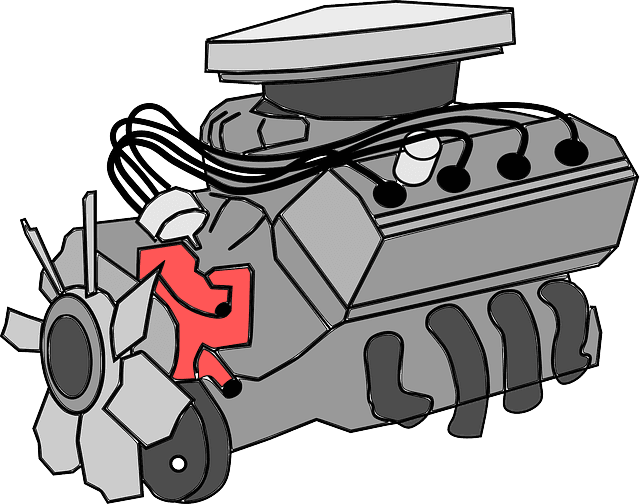
Yes, a weakened timing belt or bad belt can cause low compression. The timing belt is the component that bridges the crankshaft and the camshaft.
The timing chain as the name implies is what tells the pistons when to move, it provides interconnectivity between the pistons. Now imagine what could happen if the chain or belt in an 8-cylinder engine slacked. Your guess is as good as mine.
Slacked or bad chain is not the only culprit behind low compression, let's consider some other reasons behind low compression.
Other causes of low compression
We've answered the question of “how can bad timing cause low compression?” Here, we will discuss other various reasons why your engine may suffer from low compression:
Valve leakage
The intake and exhaust valves open and close in opposition to one another. However, exposure to high temperatures can cause damage to the valves.
Once the valves are no longer providing the needed closure, there is usually a pressure loss, resulting in low compression or no compression.
The valve that is more susceptible to failure is the exhaust valve as it is usually exposed to high temperatures.
Valves can also fail if the logic system or computer that instructs the valves (intake and exhaust) when to open and close feeds them at the wrong time.
Damaged head gasket
Gaskets aid in the provision of a sealing mechanism, the head gasket does the same thing in an engine.
You can find it between the bottom and top half of the engine. The primary function is to separate the oil from the fuel and air mixture and allow gases to move in and cause combustion in the cylinder.
Worn Piston rings
The rings ensure a proper seal between the piston and cylinder wall. Not just in car engines but in all internal combustion engines, a worn or damaged ring will surely translate to low compression and poor engine performance.
Damaged valve springs
Compression is also lost when the valve springs go bad, valves springs aid the intake of gases and removal of waste gases.
If they go bad the valve can close and gases will be lost, resulting in zero ignition.
Worn out camshaft
This (camshaft) engine component has lobes attached to the valves, triggering the opening and closure of these valves.
The deterioration of the camshaft is sure to happen as much as the engine is kept in use, so take care to service and fix your engine once you notice low compression.
How to fix low compression
To fix low compression, it is best to visit a good auto technician to help you fix the problem. Nonetheless, if you are daring enough you can pull a few strings in your garage.
Advanced automotive tools
If you are allowed to find out the actual mileage the engine of your prospective used car has clocked, will you take it? If yes then you are also welcome to explore state-of-the-art services provided by Detailed Vehicle History, which includes the provision of detailed vehicle history, Window sticker or Monroney labels for both modern and classic vehicles, and detailed vehicle reports for classic vehicles, vehicle recall information and recommended service maintenance.