
Buying a used car can be an exciting experience, but it also comes with its risks. One of the most concerning risks is falling victim to a VIN number scam. The VIN is a unique code that acts like a fingerprint for a vehicle, helping to track its history and ownership.
Unfortunately, scammers can manipulate or duplicate VIN numbers to make stolen, salvaged, or problem-laden cars appear clean. In this article, we'll walk you through how these scams work, how to spot them, and, most importantly, how to protect yourself from becoming a victim.
What is a VIN Number Scam?
VIN number scams involve the fraudulent use of a Vehicle Identification Number (VIN) to misrepresent a vehicle's identity. Each car has a unique VIN that provides essential information about its history, including ownership and accident records.
Scammers exploit this system by cloning legitimate VINs from stolen vehicles or creating fake VINs altogether. This allows them to sell stolen cars as if they were legitimate, often without the buyer realizing the deception until it's too late.
How VIN Number Scams Work
Scammers use various tactics to pull off VIN number fraud. Some are more sophisticated than others, but all are designed to trick buyers. Let's break down the common methods they use:
Cloning the VIN
One of the most common methods is cloning. In this case, a scammer obtains the VIN from a car that has a clean history, such as a vehicle that was never in an accident and has a valid title. They then transfer this VIN to a car that has been stolen, salvaged, or has a problematic history.
By doing this, the scammer creates a fraudulent vehicle that appears legitimate on paper. This is particularly dangerous because the cloned car will show up as “clean” when checked against databases, making it harder for the buyer to detect.
Switching VIN Plates
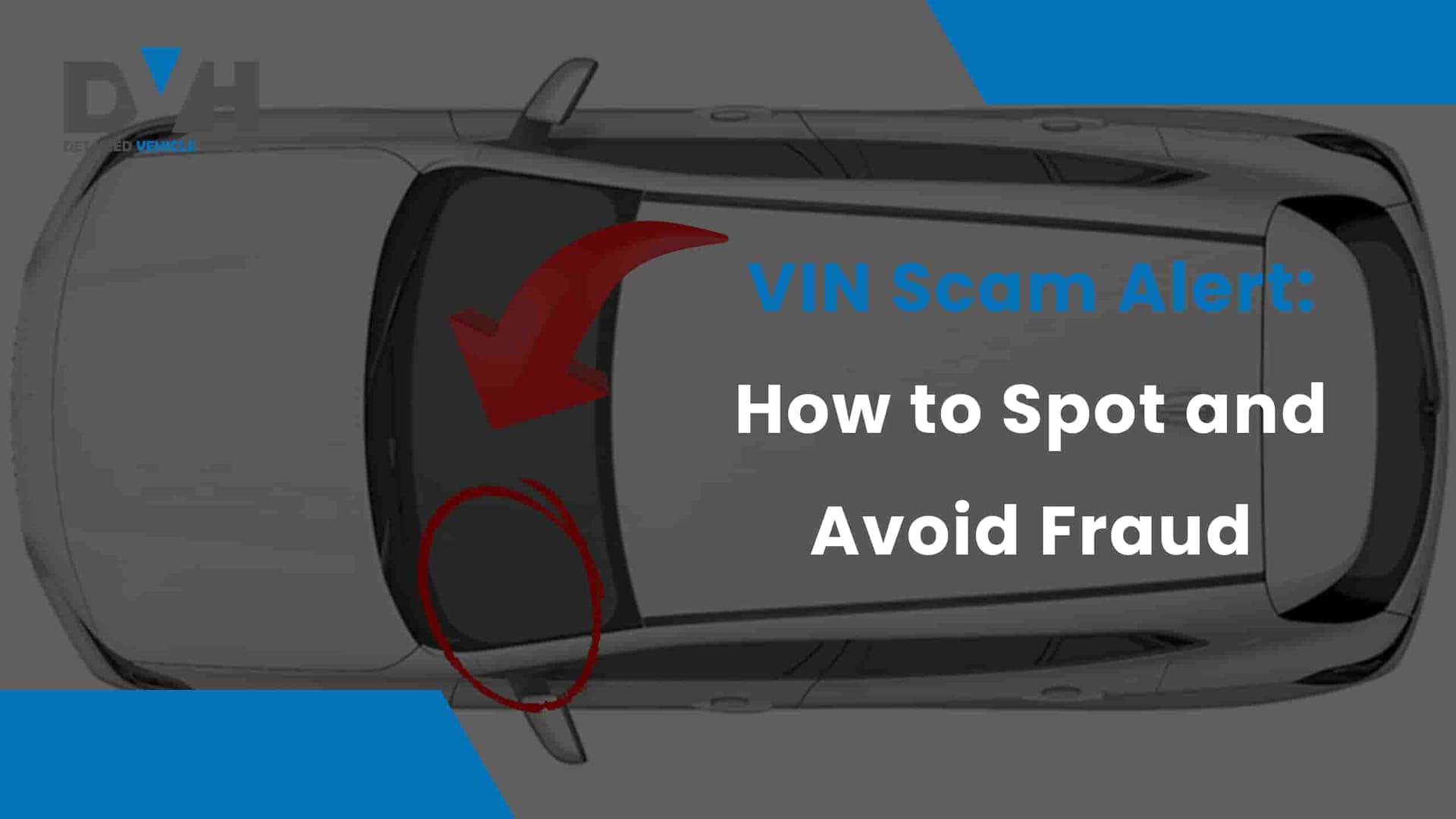
Sometimes, scammers physically swap the VIN plates. Every car has multiple locations where the VIN is etched or stamped, such as on the dashboard, inside the engine bay, or on the car's frame.
A scammer might switch the VIN plate from one car to another, hoping the buyer will only check one or two locations. This can be hard to detect, especially if the scammer has gone to the trouble of forging documents or creating a fraudulent car title.
Forged Documents
Along with altering the VIN, scammers may also forge or manipulate official documents like titles, registration papers, or maintenance records. For example, they may create a fake title that matches the cloned VIN, making it seem like the car has a legitimate history.
Forged maintenance records may also be provided, showing that the car was serviced regularly when, in fact, it may have been in serious accidents or neglected.
Creating Fake VINs
In rare cases, scammers create entirely fake VINs. They'll assign a new, non-existent VIN to a car and then forge all related paperwork. Since there's no actual history tied to the VIN, buyers may not realize the vehicle is fraudulent until they attempt to register it or attempt to sell it later.
READ ALSO: Complete List of VIN Number Country Codes
What Are the Risks of Falling Victim to a VIN Number Scam?
Falling victim to a VIN scam can have severe consequences. If you unknowingly purchase a stolen vehicle, law enforcement may confiscate it, leaving you without transportation and potentially out thousands of dollars. You might also face legal issues if the original owner seeks restitution for their stolen property.
Additionally, if you financed the purchase, you could still be responsible for repaying any loans taken out for the car.
The emotional toll can be just as significant as the financial one. Victims often feel violated and frustrated after realizing they've been deceived. The experience can lead to distrust in future transactions and make buyers more hesitant when purchasing used cars.
Buyer Beware: The Harsh Reality of VIN Number Scams
The story of Maril Bauter is a poignant example of the harsh reality of VIN scams, particularly VIN cloning. Maril purchased a 2019 Toyota 4Runner for $40,000, believing it to be a legitimate vehicle. Unfortunately, the VIN had been cloned from a stolen vehicle, and she only discovered the truth years later when law enforcement seized the SUV.
For a detailed account of her experience and insights into how this scam operates, you can read more about it in this article: Jesse Jones: Victim of VIN cloning scam paid $40,000 for a stolen car.
How to Avoid VIN Number Scams When Buying a Used Car
To protect yourself from VIN scams when buying used cars, take these proactive steps:
- Always cross-check documents and seller credentials. Ensure that all paperwork matches the seller's claims. Ask for identification and verify that it aligns with the name on the vehicle title.
- Inspect the vehicle thoroughly. Look for signs of tampering with the VIN plate. Check if it appears scratched or altered in any way.
- Be cautious of unrealistic car deals. If an offer seems too good to be true, it probably is. Scammers often lure victims with prices well below market value.
- Run a comprehensive VIN check using our VIN research tool. This step can provide insights into any previous accidents, title issues, or whether the vehicle has been reported stolen.
- You can also consider getting a window sticker by VIN check to verify the specifications and features of the vehicle before making any payment.
- Check for consistency in the VIN across various parts of the vehicle. The VIN should match the documents and metal plates located in different areas of the car.
- Identify warning signs in seller stories; inconsistencies can indicate fraud. If something feels off about how they present themselves or their vehicle history, trust your instincts.
- If something feels off during your interactions with a seller, don't hesitate to walk away from the deal. Your gut feeling is often your best guide in these situations.
- Verify all information before making any payments. Don't rush into transactions; take your time to ensure everything checks out.
- Avoid sharing your personal information until you are sure about the buyer's legitimacy. Scammers often use personal data for identity theft or other fraudulent activities.
- Use secure methods for transactions and avoid cash payments when possible. Consider using escrow services for larger purchases to add an extra layer of security.
Conclusion
Knowing car VIN number scams is essential for anyone looking to buy used vehicles safely. When you run a VIN check and follow the guidelines mentioned in this article, you can significantly reduce your risk of falling victim to these deceptive practices. Always stay vigilant and informed!
FAQs About VIN Number Scams
What can a scammer do with my VIN number?
A scammer can clone your VIN to create a fake identity for a stolen vehicle, allowing them to sell it as legitimate. They may also use your VIN to access vehicle history reports, which can lead to identity theft or counterfeit documents. Therefore, consider if there's any reason not to give out VIN before sharing it.
Why would someone ask for your VIN number?
People ask for your VIN to verify a vehicle's history or ensure they are looking at the correct car. Buyers may want it for a vehicle history check, while mechanics need it for ordering parts. Be cautious if the request seems suspicious or without a clear purpose.
How do you know if someone is scamming you for a car?
Watch for red flags like pressure to act quickly or an unusually low price. If the seller is unwilling to provide documentation or allows limited inspection, it could indicate a scam. Always verify the VIN against official records.
Does the VIN number tell you the owner?
No, the VIN does not directly reveal ownership. However, it can be used to access vehicle history reports that include ownership records. You can read here on how to find the owner of a vehicle using the VIN. To find out who owns a vehicle, you typically need to use official channels.
How do I know if a car is suspicious?
Check the VIN against official records for discrepancies and look for signs of tampering on the VIN plate. If the seller is evasive or unable to provide clear answers about the car's history, consider walking away from the deal.