
Have you ever walked into an auto repair shop with a budget and left feeling ripped off? It's possible that you fell victim to a car repair scam.
There are some really honest mechanics who would actually work on your vehicle and explain every step to you, but there are some fraudsters out there who devise tricks and reasons to overcharge a customer for repairs.
This article exposes some car repair secrets and highlights some car repair scams and how to avoid them.
Common auto repair scams and how to avoid them
Some of the most common auto repair scams used by mechanics are
- 1.Unnecessary replacements and repairs.
- 2.Fake diagnoses and made-up problems.
- 3.Inflated prices.
- 4.Bait and switch.
- 5.Repeated repairs.
1. Unnecessary replacements and repairs
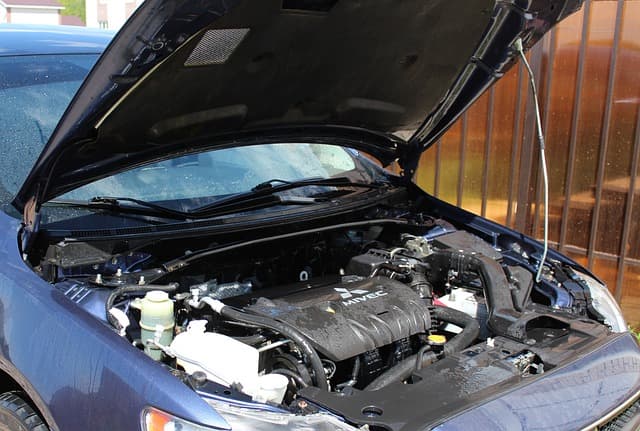
This is one of the most common mechanic scams recorded. A car owner drives their vehicle to the auto repair shop for one defect or problem.
After a close inspection, the mechanic points out a couple of parts requiring replacement and a couple of parts requiring repair.
This is one of the oldest tricks in the box, and a lot of unsuspecting people fall victim.
Most often, they'll say the air filter needs to be replaced because they know unsuspecting victims would not want to follow them to the market to get the required parts. Brake repair scams are also popular, leaving you to pay for nothing.
2. Fake diagnoses and made-up problems
Providing fake diagnoses and pointing out made-up problems are easy ways to rip off unsuspecting customers.
Some mechanics fabricate problems and provide fake diagnoses of a vehicle just to convince customers to pay more than they normally should.
Sometimes they inform customers that they discovered some issues that could lead to major damage and defects in the future.
Customers in such situations may fall for these scams and pay unnecessary amounts of money for no reason whatsoever.
3. Inflated prices
You may think that it would be easy to spot inflated prices or overcharging, but there are some mechanics who inflate the prices of car parts and even the service charge.
For example, let's say some mechanic works on two or more parts of the vehicle simultaneously and gets the vehicle running. Let's say they spend three hours fixing these parts.
The scammers may ask the customer to pay for three hours per part fixed and parts replaced, thereby overcharging and inflating the prices.
4. Bait and switch
“Bait and switch” is another popular car mechanic scam. These mechanics draw your attention with their extremely low or moderate prices.
When repairs begin, they'll point out fabricated problems and unnecessary repairs that you may need to fix, resulting in more costs at the end of the day.
5. Repeated Repairs
Sometimes, the mechanic goes, “Sorry, I thought it was the brakes. I tried, and it didn't work. Now I'll check the transmission.”
These are just ways to scam new car owners and unsuspecting customers. At the end of the day, these customers are forced to pay for every part replaced and every hour spent working on the vehicle.
They may create even more damage to the vehicle in the process, leaving you to sort it all out.
These are just a few of the most popular car repair scams out there, and many car owners fall for these scams every day.
If you'd like to prevent this ripoff on your next trip to an auto repair shop, the next section explains how.
Quick Tip: If you recently purchased a used vehicle and you have little or no idea about the vehicle's parts and specifications, you are more likely to fall for mechanic scams.
Knowing what kind of damage the vehicle has sustained in the past can help you predict what kind of repairs it will require in the future. To generate a vehicle history report, you only need your vehicle's VIN number.
With the VIN check tool provided by Detailed Vehicle History, you can easily purchase a concise and comprehensive vehicle history report.
This report contains your vehicle's records and history, and you can learn about the accidents it has been involved in, vehicle specifications, service records, and maintenance records; you may also be able to confirm what a mechanic says about your vehicle.
How to Avoid Common Car Repair Scams: Money-Saving Strategies
If you feel your car repairs are not worth it and you're being ripped off, this section highlights some of the guides and tips on how to go about a car repair without being scammed. They are:
- 1.Have a look at the shop's reviews.
- 2.Get a second opinion.
- 3.Get a written estimate.
- 4.Ignore high-pressure tactics.
- 5.Don't pay in advance.
- 6.Check for warranty coverage.
- 7.Keep records.
a. Have a look at the shop's reviews
If you are unsure of an auto repair shop and its services, the best way to be informed is through thorough research.
There are lots of platforms online where you can read reviews of several auto repair shops and view their ratings.
Choose anyone and read through the reviews left by previous customers. Don't focus on the good reviews alone. Pay attention to the good and bad reviews.
Listen to the bad things people have to say about the auto repair shop. It's possible that one or more of them have fallen for car repair scams before.
If you come across such reviews, you can move on to another auto repair shop and conduct additional research.
This step is highly recommended if you don't want to end up being ripped off by an auto mechanic.
b. Get a second opinion
It is recommended that, before any agreement is reached between you and the auto mechanic, you consider getting a second opinion.
Take your vehicle to other repair shops and listen to their diagnoses. If possible, visit more than three repair shops.
When you are sure that there are no scams involved, you can now begin the repair process.
c. Get a written estimate
Before deciding to make that payment, you have to be fully aware of what you are paying for.
Make sure you know what parts the mechanic will be working on and how much replacements and repairs will cost.
We would recommend that you draft out a written estimate whenever possible. A written estimate is required by law for services costing more than $100.
These documents include a written quote for the customer that details what car parts will be needed, repaired, or purchased, as well as labor costs.
d. Ignore high-pressure tactics
There are some mechanics that would want to pressurize customers to immediately pay for a car part or immediately begin repairs.
Whenever possible, try to slow the process down when you notice that you are being pressurized.
Take a step back and breathe. Listen to what they have to say, and if the recommended fixes are actually important, you may proceed. Else, be aware that it is another car repair scam.
e. Don't pay in advance
It is recommended that when a car owner has struck a deal for repairs, they should not pay in advance.
Wait until the job is done and carefully observe what fixes, repairs, and replacements were made.
When you are certain that the mechanic did his job correctly, you can deliver payment.
If a mechanic requests payment in advance, make sure you understand clearly why he needs the advance payment and how much will be needed.
f. Check for warranty coverage
You should get a manufacturer's warranty on a wide range of parts and services if your car is new.
To save money and maintain your warranty, make sure to visit a licensed service facility that will consider your warranty coverage.
With warranty coverage, you will save some money and be less likely to fall victim to an auto repair scam.
g. Keep records
Keeping records of maintenance and repairs is extremely important. Ensure that the dates, times, repairs, costs, etc., are properly documented.
You may need these records when your vehicle next requires a repair.
Conclusively, auto repair scams include unnecessary replacements, fake diagnoses, inflated prices, bait, and switch, and repeated repairs.
These scams can be easily identified if you keep an eye out, have a look at the shop's reviews, get a second opinion, ignore high-pressure tactics, check for warranty coverage, keep records, and get a written estimate.
If you can follow these tips and get a vehicle history report, then you will be less likely to fall for scams.