
Germany is renowned for its high-quality cars, and it's no surprise that many people consider buying used cars in Germany for export to other countries, including Spain.
German vehicles are known for their engineering excellence, reliability, and advanced technology.
However, exporting a car from Germany to Spain involves several steps and considerations.
In this comprehensive guide, we'll explore what you need to know before purchasing a car in Germany for export to Spain, including the car export process, legal requirements, and key considerations for a successful transaction.
The Car Export Process
Exporting a car from Germany to Spain involves several steps. Here's an overview of the process:
- 1.Vehicle Selection: Research and select the car you want to export. Consider factors like make, model, age, condition, and any specific features or options you desire. If you're buying a used car, selecting the right Vehicle can be made easy by obtaining the vehicle history report through a process termed VIN check.
- 2.Find a Seller: Locate a reputable seller or dealership in Germany. Ensure they have experience with export transactions and can provide necessary documentation.
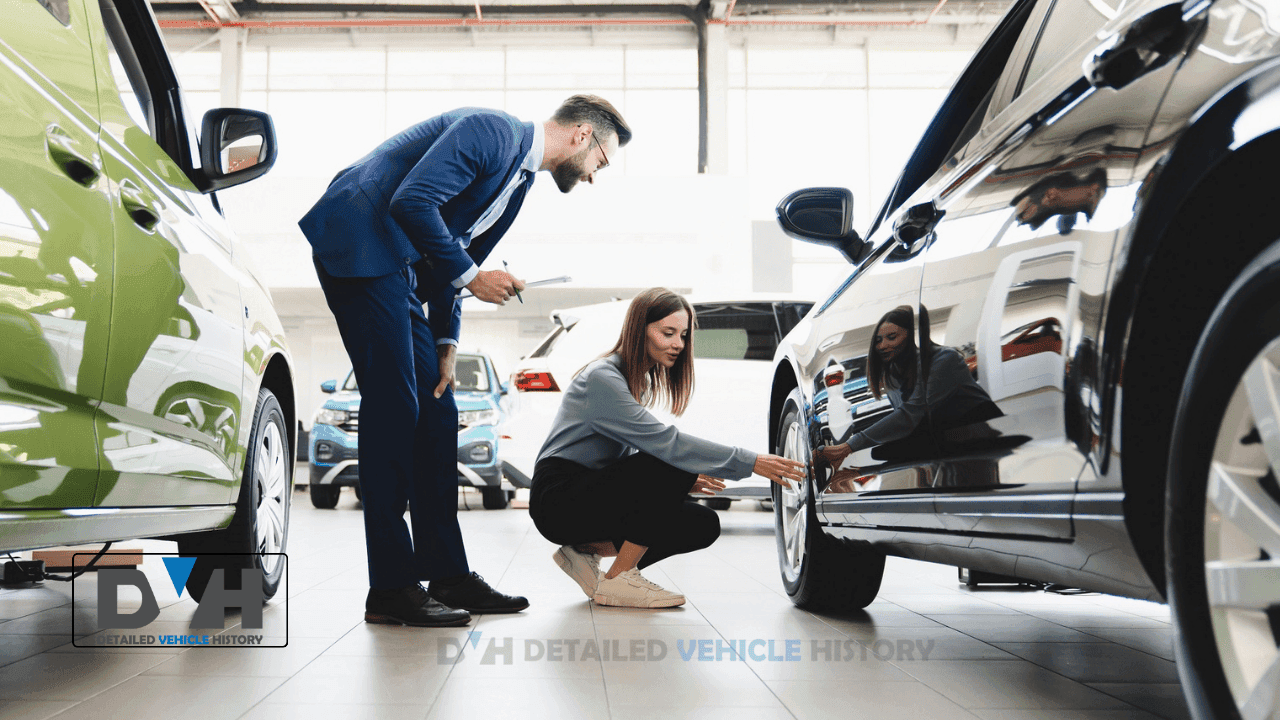
- 3.Inspection and Verification: Have the car inspected by a qualified mechanic to ensure it's in good condition and meets your expectations. Verify the vehicle's history and service records.
- 4.Price Negotiation: Negotiate the price with the seller. Be prepared for bargaining, as it's a common practice in Germany.
- 5.Purchase Agreement: Sign a purchase agreement with the seller. This document should outline the terms of the sale, including the price, payment method, and any warranties or guarantees.
- 6.Payment: Arrange payment for the car, either through a bank transfer or another agreed-upon method. Ensure that the payment is secure and that you receive a receipt.
- 7.Export Documentation: Obtain the necessary export documentation, including the car's title, bill of sale, and any export permits or certificates required by German authorities.
- 8.Transportation: Decide on the method of transportation for the car from Germany to Spain. Options include driving it, using a car transport service, or shipping it by sea.
- 9.Customs Clearance: When the car arrives in Spain, complete the customs clearance process. Pay any applicable import duties and taxes.
- 10.Vehicle Inspection: Schedule an inspection of the imported car with the Spanish authorities to ensure it complies with local safety and emissions standards.
- 11.Registration and Licensing: Register the car in Spain and obtain the necessary license plates and documents to legally drive it on Spanish roads.
Legal Requirements and Considerations
When exporting a car from Germany to Spain, there are several legal requirements and considerations to keep in mind:
- 1.Import Duties and Taxes: Be aware of the import duties and taxes that apply to the car when bringing it into Spain. The amount may vary depending on the vehicle's value, emissions, and other factors.
- 2.Homologation: Ensure that the car complies with Spanish homologation requirements, which involve meeting safety and emissions standards. Modifications may be necessary.
- 3.Registration: Register the car with the Spanish authorities, providing all required documents and paying the necessary fees.
- 4.Insurance: Obtain insurance coverage for the car to meet Spanish legal requirements. Insurance rates may vary based on factors like the car's age and value.
- 5.Vehicle History: Request a comprehensive vehicle history report to understand the car's past, including accidents, ownership history, title status, and more. Detailed Vehicle History is able to provide detailed vehicle information on vehicles exported from European countries including Japan and Germany.
- 6.Currency Exchange: Consider currency exchange rates when making payments for the car and any associated fees. Exchange rates can affect the overall cost of the transaction.
Buying a car in Germany for export to Spain can be a rewarding experience, providing access to high-quality vehicles and potential cost savings.
However, it's essential to approach the process with thorough research, attention to legal requirements, and careful consideration of logistics.
By understanding the car export process, adhering to legal regulations, and making informed decisions, you can successfully acquire and import a German car to Spain and enjoy the benefits of owning a quality vehicle tailored to your preferences.