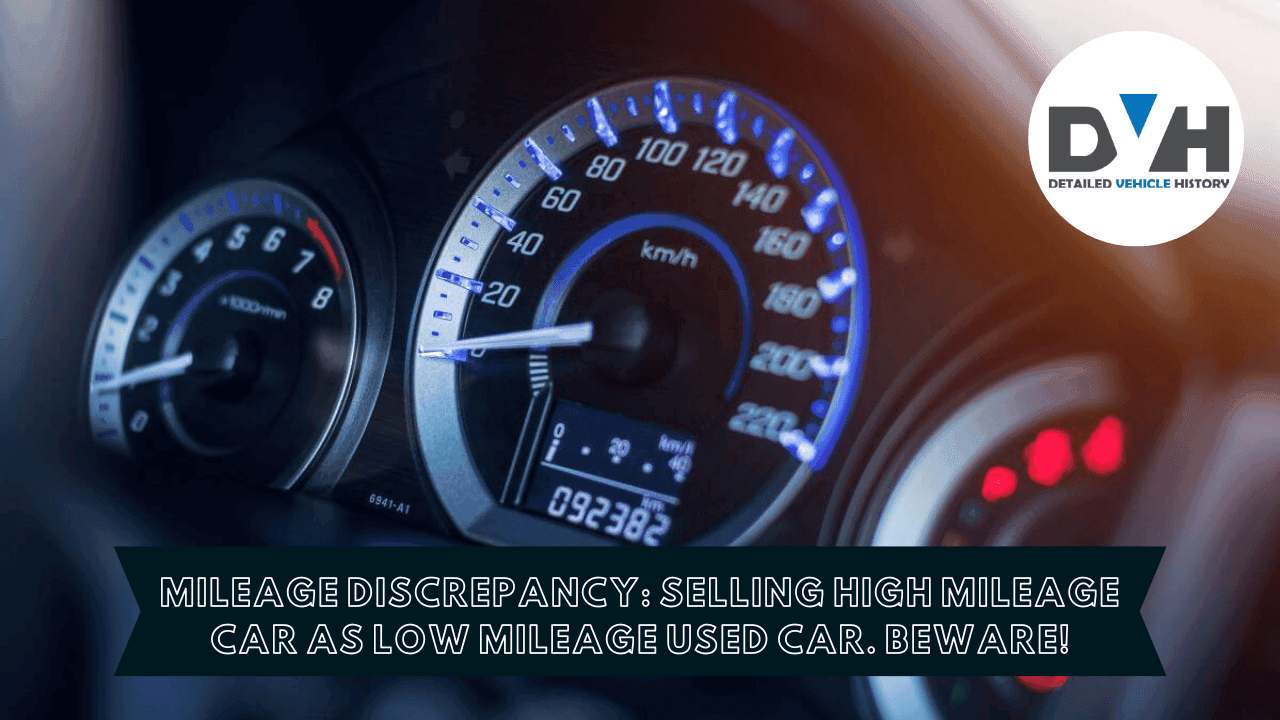


Checking a vehicle's mileage gives an idea of its age, condition, and overall reliability. This practical information can come in handy when car buyers are looking for the perfect used car.
However, some buyers may come across titles showing that the mileage is “exempt.” At first glance, this may look bad, but it isn't always the case.
This article answers all your questions about the exempt mileage title on used cars and helps you make the best decision in the used car market.
What Does Exempt Odometer Mean?
An Exempt mileage means that a vehicle's mileage is not recorded accurately or in need of recording due to age or specific circumstances. This often happens with an old or classic car that has crossed a particular limit of odometer. The vehicle should have an “exempt” mileage title.
When car buyers find this information, they sometimes feel scared, thinking the vehicle may have some hidden defect or odometer rollback.
But in many states in the U.S., you will find an exempt title on vehicles sold or transferred after being on the road for ten years or more. This means that most vehicles made in 2013 and older are likely to have the exempt mileage on their title records.
The criteria for issuing the exempt mileage title differs between states. For example, the New York DMV states that vehicles made prior to 2010 or older than 20 years are exempt from mileage disclosure. Other states like Pennsylvania issue exempt mileage for vehicles in non-operational storage for an extended period.
Let's examine why a car may have an exempt mileage title from the Department of Motor Vehicles (DMV).
Related:What Does a Branded Title on a Car Mean?
What Causes Exempt Mileage on a Title?
To have a better understanding of exempt mileage on a title, let's look at some reasons why a vehicle is mileage-exempt. The common reasons are:
- Old cars with more than 99,999 miles: Some old car odometers have a maximum count of 99,999 miles. This means classic cars with higher mileage cannot accurately display the true distance travelled. In this situation, the mileage is marked as exempt to preserve the integrity of the odometer reading.
- Age of the vehicle: Vehicles ten years or older are often exempt from odometer disclosure requirements. This is because the accuracy of the odometer reading may not be reliable over such a long period.
- Weight of vehicle: In some states, the mileage may be exempt for commercial vehicles with an unladen weight of 8,501 pounds or more or a GVW of 16,001 pounds or more, such as trailers, trucks, and other vehicles weighing over 16,000 pounds.
- Wrong Odometer readings: A car can sometimes have an exempt mileage when the speedometer or dash cluster is replaced due to a defect. When these items are replaced, mileage readings may be altered, and inaccuracies may occur, leading to the vehicle getting an exempt mileage.
- Inoperable odometer: Similar to the above, if the odometer doesn't function properly or has a defect that alters the accurate mileage readings, the vehicle may receive a car mileage exemption.
- Odometer rollback: If it is determined that a vehicle's odometer has been intentionally altered to make the vehicle appear more reliable than it is, an exempt mileage title can be issued. These vehicles also come with odometer rollback titles to show clearly that there have been mileage discrepancies in the past.
Understand that the reasons why an exempt mileage may be issued on a vehicle can vary from state to state based on local laws and regulations.
If you find a used vehicle with exempt mileage and have doubts, contact the relevant motor vehicle department or agency near you and get as much information as possible from them.
Should You Purchase a Car with Exempt Title?
The answer to this question depends on your comfort level with the associated risks, your budget, and the specific circumstances of the vehicle in question. Most cars with exempt titles are old vehicles with mileage reading hundreds of thousands of miles. If you don't mind the mileage count, then go ahead.
To help you make a decision, here are some pros and cons of purchasing a vehicle with an exempt mileage title:
The Pros of Buying a Car with Exempt Mileage Title
When exploring vehicles with exempt mileage titles, there are certain advantages worth noting:
- More affordable than other used vehicles
- Offers historic value (if it's a classic model)
- Less depreciation compared to other vehicles
The Cons of a Car with Exempt Mileage Title
However, there are also drawbacks to consider when purchasing a vehicle with an exempt mileage title:
- Inaccurate odometer readings/mileage
- Potential hidden records
- Limited resale value
- Insurance and financing restrictions
How to check for exempt mileage
To be sure, we advise you to check the vehicle history to see if it has exempt mileage before committing to any used car purchase. It's as simple as entering the VIN into the form on this page.
Our VIN number lookup gives access to all vehicle records and can provide much more information than exempt mileage records. It can help you find the last recorded mileage reading, check for odometer rollback, accident records, damages, vehicle usage, title brand records, and more.
Conclusion
You may find an exempt mileage title on a vehicle when the mileage displayed on the odometer cannot be verified as accurate for specific reasons, including age, weight, or exceeding the odometer's mechanical limits.
While initially concerning, an exempt title doesn't always signify hidden defects or odometer fraud. However, before committing to buying a vehicle with exempt mileage, verify the vehicle's actual mileage and other records with a simple VIN check.