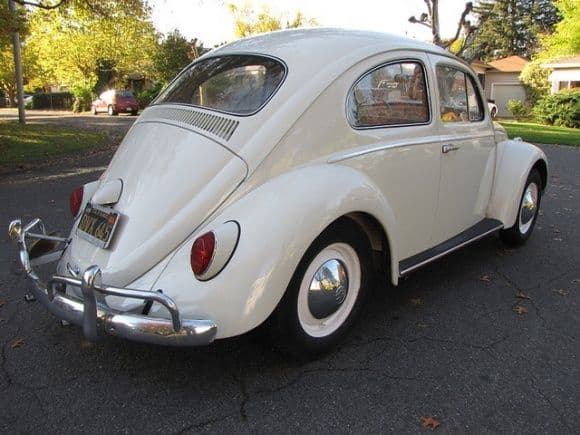

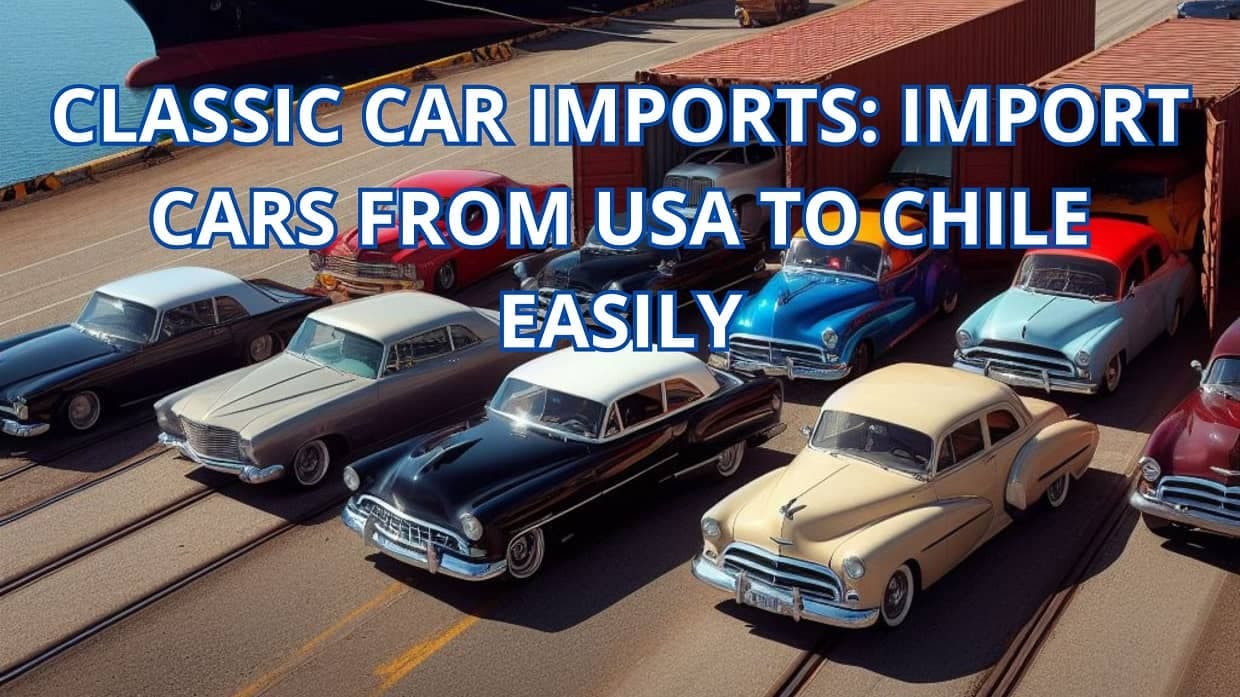
Are you a classic car enthusiast with a longing for classic American cars? If so, you've come to the right place. In this guide, we will closely discuss classic car imports to Chile and also highlight the importance of vehicle history reports when it comes to importing cars from the USA. Understanding the meaning of classic car helps you appreciate their value, and a vehicle history report offers key insights for imports.
Why Import Classic Cars to Chile?
Importing classic cars to Chile has become more than just a trend; it's a passionate pursuit for many automotive enthusiasts. In this section, we will look into the compelling reasons why importing classic cars from the USA to Chile has gained substantial popularity.

1. Nostalgia and Timeless Appeal
Classic cars are more than just vehicles; they are a piece of history on wheels. Their elegant designs, distinctive features, and nostalgic charm evoke memories of a bygone era. Enthusiasts are drawn to classic cars because they represent a time when vehicles were not merely transportation but also a work of art.
2. Rarity and Uniqueness
Classic cars in Chile are not an everyday sight, making them stand out in a crowd of modern vehicles. Importing these vehicles from the USA offers Chilean enthusiasts access to a wide range of rare and unique models that are not readily available in the local market. Owning a classic car is a statement of individuality and a showcase of one's appreciation for automotive history.
3. Investment Value
Classic cars have often proven to be sound investments. Unlike modern cars that depreciate rapidly, well-maintained classic cars can appreciate in value over time. Enthusiasts recognize the potential for their classic car to not only provide enjoyment but also serve as a valuable asset.
4. Preservation of Automotive Heritage
Importing classic cars to Chile contributes to the preservation of automotive heritage. It ensures that iconic vehicles from the USA, known for their historical significance, continue to exist and be appreciated in a different part of the world. This act of preservation resonates with collectors and enthusiasts who value automotive history.
5. Personal Connection and Passion
Many classic car enthusiasts share a deep passion for these vehicles. They appreciate the craftsmanship, design, and engineering that went into creating these automotive legends. Importing a classic car is often driven by a personal connection to a particular model or brand, making it a labor of love.
6. Showcasing American Automotive Culture
Importing classic cars from the USA to Chile allows enthusiasts to showcase American automotive culture. It introduces a slice of Americana onto Chilean roads, providing a glimpse into the automotive history and innovation of the United States. This cultural exchange through classic cars fosters a sense of appreciation for international automotive diversity.
These reasons, among others, continue to fuel the fascination with classic car imports, making it a thriving and passionate community in Chile. Now, there's something everyone interested in classic car imports must get, a vehicle history report. Why? Find out in the next section!
Detailed Vehicle History: Ensuring Vehicle History
Do you want to import cars from USA? When it comes to importing classic cars from the USA to Chile, ensuring the vehicle's history is essential. Detailed vehicle history reports, much like Carfax Chile reports, provide a comprehensive account of a vehicle's past. These reports compile vital information about a vehicle's history, helping buyers make informed decisions. In Chile, detailed vehicle history reports play a vital role in the importation of classic cars from the USA by providing valuable insights into a vehicle's history.
Read Also:Get Classic Car History Before You Buy.
Why Detailed Vehicle History Reports Matter
- Transparency and Confidence: Importing a classic car is a significant investment, and buyers need transparency about the vehicle's past. Detailed vehicle history reports provide in-depth information, including accident history, title history, mileage records, and more. This transparency instills confidence in buyers, allowing them to make informed choices.
- Risk Mitigation: Classic cars can be decades old, and their history may not always be apparent. Detailed vehicle history reports help mitigate the risk of purchasing a vehicle with hidden issues. By revealing any undisclosed accidents or title problems, these reports ensure buyers are aware of potential concerns.
- Negotiation Tool: Armed with a comprehensive detailed vehicle history report, buyers have a strong negotiation tool. If the report uncovers issues, buyers can use this information to negotiate a fair price with sellers. It empowers buyers to make decisions that align with the vehicle's true value.
- Regulatory Compliance: Importation regulations in Chile often require detailed information about a vehicle's history. Detailed vehicle history reports assist buyers in complying with these regulations, ensuring a smooth importation process. They provide the necessary documentation to demonstrate the vehicle's background.
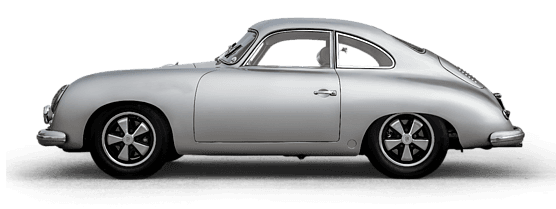
Classic Car Imports: Exporting Classic Cars from the USA
Exporting classic cars from the USA to Chile is a multi-step process that requires careful planning and attention to detail. In this section, we will outline the key considerations and steps involved in successfully exporting these timeless vehicles to their new home in Chile.
1. Vehicle Selection
- Begin by selecting the classic car you wish to export. Consider factors such as make, model, year, and condition.
- Verify that the chosen vehicle complies with Chilean import regulations, including age restrictions and emissions standards.
- Ensure the classic car is in good condition and suitable for international transportation.
2. Choose a Reputable Exporter
- Research and select a reputable exporter with experience in classic car shipments.
- Read reviews and gather recommendations from fellow enthusiasts or importers.
- Verify the exporter's credentials and licensing to ensure a smooth export process.
3. Documentation and Title Transfer
- Gather all necessary documentation, including the vehicle's title, bill of sale, and export permits.
- Ensure the vehicle's title is clear and free of liens or encumbrances.
- Work closely with the exporter to complete the title transfer and obtain the required export permits.
4. Vehicle Preparation
- Prepare the classic car for export by thoroughly cleaning it and removing any personal belongings.
- Disable the vehicle's alarm system and ensure it is in a drivable condition for loading and unloading.
- Take detailed photographs of the classic car from all angles to document its condition prior to shipment.
5. Shipping Method
- Choose a shipping method that suits your budget and preferences. Options include roll-on/roll-off (RORO) or container shipping.
- Discuss the logistics and timing of the shipment with your chosen exporter.
- Consider insurance coverage to protect your classic car during transit.
6. Customs Clearance
- Be prepared to navigate customs clearance procedures in both the USA and Chile.
- Ensure that you have all the necessary documentation, including the bill of lading, export permits, and detailed vehicle history reports.
- Comply with any additional requirements or inspections that may apply to classic car imports.
7. Shipping and Arrival in Chile
- Monitor the progress of your classic car's shipment as it travels from the USA to Chile.
- Be ready to clear customs in Chile upon the vehicle's arrival.
- Follow local regulations for vehicle registration and ensure compliance with emissions and safety standards.

Exporting classic cars from the USA to Chile is a rewarding endeavor that allows enthusiasts to share their passion for timeless automobiles with a new audience. By carefully following these steps and working with experienced exporters, you can ensure a successful and smooth exportation process. Using a classic car vin decoder can also help you verify the vehicle's history, ensuring that only the best quality cars make it to Chilean roads, ultimately bringing classic automotive excellence to the country.