

Germany, renowned for its engineering expertise and automotive excellence, is a great place to find high-quality used cars waiting to be exported. Whether you're an individual looking for a reliable and well-maintained vehicle or a dealer seeking to expand your inventory, buying a used car in Germany for export or used cars in Europe for export can be a smart and profitable decision.
In the year 2022, the European Union's primary trading partners for cars were the United Kingdom and the United States, with Germany emerging as the leading car exporter within the EU. This underscores the substantial global demand for both new and pre-owned vehicles in Germany.
In this comprehensive guide, we'll navigate the intricacies of the process, from finding the right vehicle to ensuring a smooth car export from Germany.
Buying a Used Car in Germany for Export
Before we go into the intricacies of the process, let's understand why buying a used car in Germany for export is such an attractive proposition:
- Quality and Craftsmanship: German cars, including brands like Mercedes-Benz, BMW, Audi, and Volkswagen, are known for their exceptional quality, precision engineering, and attention to detail. This reputation for craftsmanship extends to used cars, making them highly sought after.
- Variety of Models: Germany offers a wide variety of vehicle models, from compact cars and sedans to SUVs, sports cars, and luxury vehicles. This diversity ensures that you can find a vehicle that suits your specific needs and target market.
- Well-Maintained Vehicles: German car owners are known for their meticulous maintenance habits. Regular servicing, adherence to manufacturer guidelines, and strict quality standards contribute to the overall condition and reliability of used cars in Germany.
- Competitive Pricing: While Germany's reputation for engineering excellence might suggest high prices, the reality is that used cars in Germany are often competitively priced, especially when compared to new models.
- Profit Potential: For dealers and exporters, buying used cars in Germany for export can be a lucrative business. The ability to source high-quality vehicles at competitive prices offers significant profit potential in international markets.
READ ALSO: Best Used Cars under $10,000
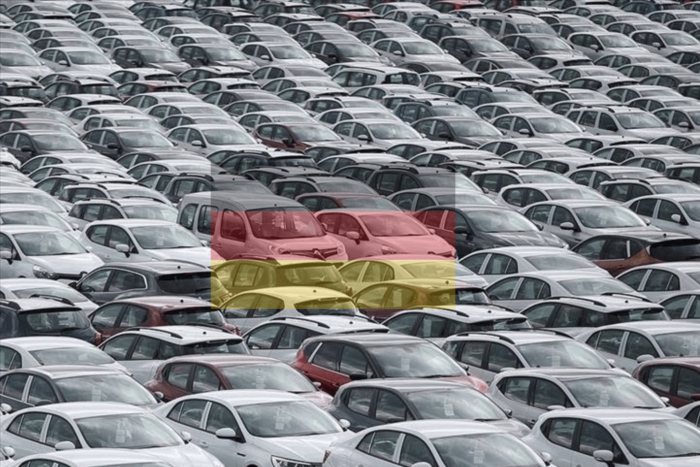
The Process of Buying a Used Car in Germany for Export
Now, let's explore the step-by-step process of buying a used car in Germany for export:
- Research and Planning: Before you embark on your car-buying journey, conduct thorough research. Define your target market, determine the types of vehicles in demand, and set a budget. Research German dealerships, online marketplaces, and auctions to find potential sellers.
- Locate Sellers: Identify reputable sellers in Germany. You can explore options such as:
- Dealerships: Established dealers often have a wide selection of used cars, and they can provide a level of trust and accountability.
- Private Sellers: Individual owners may offer competitive prices, but be vigilant and verify the vehicle's history and condition.
- Auctions: Participating in auctions can be an excellent way to find a variety of vehicles, but it requires careful planning and expertise.
- Vehicle Inspection: If you're in Germany, consider inspecting the vehicles in person. If not, you can hire a local inspection service or request a detailed inspection report from the seller. Ensure the vehicle's condition aligns with your expectations.
- Vehicle History Report: Obtain a comprehensive vehicle history report to verify the car's past, including accidents, title status, mileage records, and maintenance history. Services like Detailed Vehicle History, CARFAX or local equivalents can provide these reports.
- Negotiation and Purchase: Negotiate the price with the seller, taking into account factors such as the vehicle's condition, market demand, and any necessary repairs or modifications for export. Once you agree on a price, complete the purchase process, including necessary paperwork.
- Export Documentation: Ensure that you have all the required export documentation in place. This may include the certificate of origin, bill of lading, customs declarations, and any specific documents needed for your destination country.
- Transportation: Arrange for the transportation of the purchased vehicle to the port or loading location for export. Depending on your location and the seller's location, this may involve road transport or shipping.
- Shipping: Choose a reputable shipping company to transport the vehicle to your destination country. Consider factors such as shipping method (container or roll-on/roll-off), shipping duration, and cost.
- Import Regulations and Customs: Familiarize yourself with the import regulations and customs requirements of your destination country before the car export from Germany. Ensure that the vehicle complies with these regulations to avoid delays or complications during the import process.
- Final Destination and Market Entry: Once the vehicle arrives at your destination country, complete any necessary customs procedures and inspections. Prepare the vehicle for sale, taking into account local market preferences and regulations.
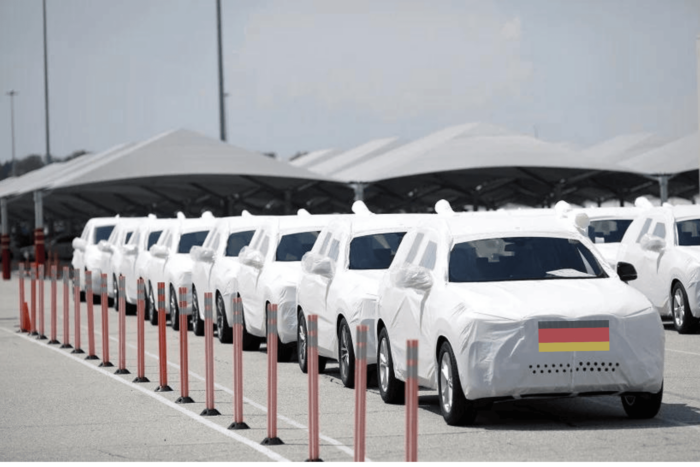
Validating Vehicle History: A Crucial Step
Throughout the process of buying a used car in Germany for export, one step remains paramount: validating the vehicle's history. This validation serves multiple crucial purposes:
- Transparency and Trust: Validating the vehicle's history ensures transparency and trust in the transaction. It verifies that the information provided by the seller is accurate, reducing the risk of fraud or misrepresentation.
- Quality Assurance: A validated history provides confidence in the quality of the purchased vehicle. It helps identify any hidden issues or discrepancies that may affect the car's condition.
- Accurate Valuation: By validating the vehicle's history, you can accurately assess its value. This knowledge empowers you to make informed decisions about how much you're willing to pay for the vehicle.
- Risk Mitigation: Validating the vehicle's history allows you to identify potential risks and avoid vehicles with issues that could lead to financial losses or safety concerns.
Buying a used car in Germany for export can be a lucrative and rewarding venture for both individuals and dealers. Germany's reputation for producing high-quality vehicles makes it an attractive source for reliable and well-maintained cars. By following the steps outlined in this guide, validating the vehicle's history, you can tap into the potential of the German used car market and expand your business or acquire a quality vehicle for personal use. Remember that thorough research, attention to detail, and compliance with regulations are key to a successful and profitable experience when it comes to buying a car in Germany for export.