

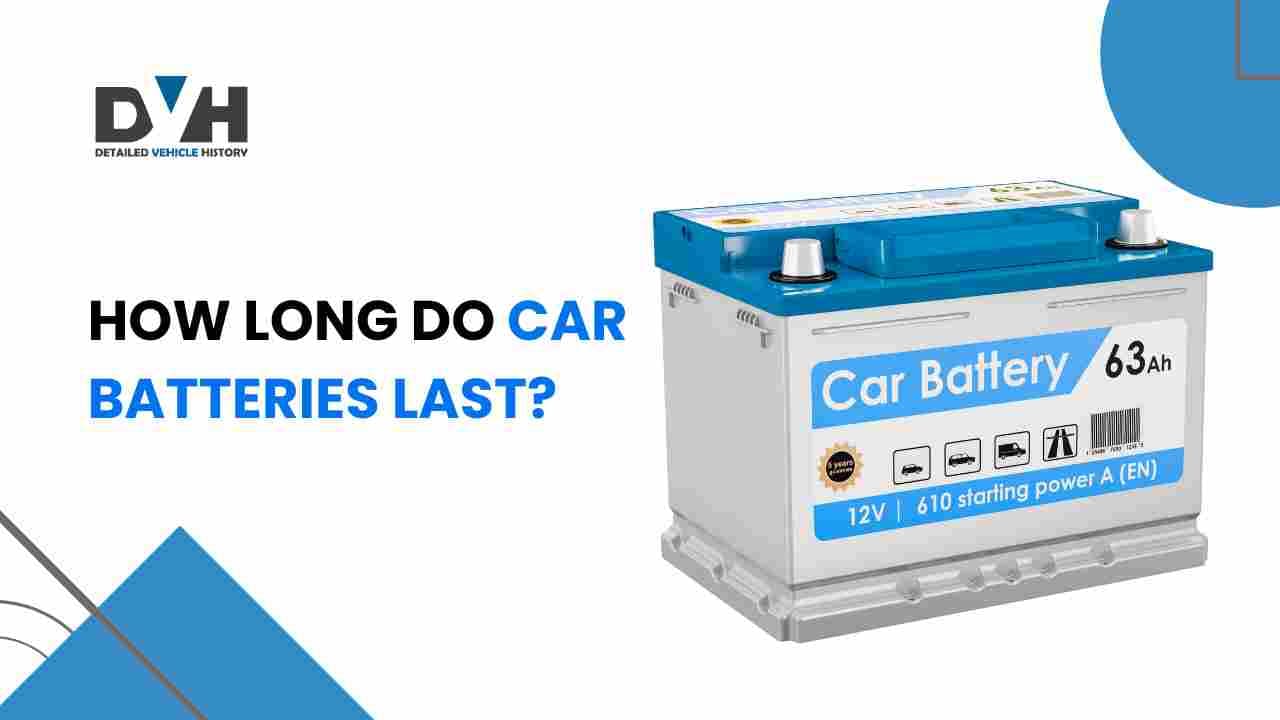
Car batteries typically last between 3 to 5 years, though some can last longer depending on various factors. If you're wondering how long your battery will last, the answer depends on the type of battery, your driving habits, and how well you maintain it.
Regular inspections and keeping an eye on early signs of failure can extend the life of your battery.
Checking vehicle specifications by VIN can help you track down the correct battery for your vehicle to enable a long battery lifespan. That said, let's take a look at the different types of vehicle batteries and understand the factors affecting the lifespan of vehicle batteries.
Types of Vehicle Batteries
Car batteries are not all the same. Different types have different lifespans, performance, and cost. Here's a breakdown of the most common battery types:
Lead-Acid Batteries
Lead-acid batteries are the most common type used in vehicles. These traditional batteries are affordable and reliable, making them popular for standard cars. On average, a lead-acid battery lasts about 3 to 5 years. However, they are sensitive to high temperatures, and frequent short trips can wear them down faster.
AGM (Absorbent Glass Mat) Batteries
AGM batteries are a step up from lead-acid batteries. They use an absorbent glass mat to hold the battery's acid, which makes them more durable and resistant to vibrations.
These batteries are often found in higher-end or luxury vehicles, as well as cars with advanced electrical systems. AGM batteries can last anywhere from 4 to 6 years, depending on usage and maintenance.
EFB (Enhanced Flooded Battery) Batteries
EFB batteries are similar to lead-acid batteries but are built to handle the demands of modern vehicles with stop-start technology. They are more resistant to cycling and last a bit longer than standard flooded batteries, typically lasting 4 to 5 years. EFBs are commonly found in vehicles that use regenerative braking.
Lithium-Ion Batteries
Lithium-ion batteries are more common in electric vehicles (EVs) but are also being used in some modern gas-powered cars for their lighter weight and higher energy density. These batteries can last up to 8 years or more, especially if the car is primarily used for long trips. The lifespan of a lithium-ion battery can be greatly impacted by temperature and charging habits.
Factors Affecting Car Battery Lifespan
Several factors can impact how long your car battery lasts. Understanding these factors will help you take better care of your battery and extend its life.
Driving Habits
Frequent short trips can lead to more battery strain. When you don't drive long enough to allow your alternator to fully charge the battery, it can shorten its life. Driving on highways for longer durations is better for the battery, as it allows it to recharge fully.
Your Climate
In hot climates, your car's battery can drain faster due to increased heat, which causes the battery's fluids to evaporate. On the other hand, cold weather can reduce the battery's ability to provide power, especially when starting your engine. If you live in an area with extreme temperatures, you may need to replace your battery sooner than you would in moderate climates.
Vehicle Usage Patterns
The type of driving you do affects how hard your car's battery works. If you drive mostly in the city, with frequent stop-and-go traffic, the battery gets more wear and tear.
On the flip side, long highway drives put less strain on the battery. Vehicles with a lot of electrical components, like heated seats, entertainment systems, and advanced safety features, may also demand more from your battery.
Regular Inspections
It's essential to inspect your car's battery regularly to ensure it's functioning at its best. A professional mechanic can check the battery's charge, inspect the terminals for corrosion, and ensure it's securely fastened.
Regular inspections can help you catch any issues early and avoid getting stranded. By doing so, you can also prevent common problems such as battery leaks, corrosion, or sudden failure.
Routine maintenance can make a significant difference. For example, cleaning corrosion from the battery terminals or replacing worn-out cables can add extra years to your battery's life. A vehicle condition report may also help you spot potential issues that could affect the battery's performance.
Signs of a Failing Battery
There are several warning signs that indicate your car battery might be on its way out. Being aware of these signs can save you from an unexpected breakdown:
- Slow Engine Crank: If the engine turns over slowly or takes longer than usual to start, it could mean the battery is weak.
- Warning Light: A battery light on your dashboard means the charging system is having trouble. This could point to a failing battery or a problem with the alternator.
- Corrosion on Battery Terminals: White, crusty buildup around the battery terminals indicates corrosion, which can affect the battery's performance.
- Electrical Issues: Dimming headlights or malfunctioning electronics (like power windows) may suggest insufficient power.
- Age of the Battery: If your battery is older than 3 years, it may be time to replace it, even if it seems to be working fine.
If you're unsure about the health of your car's battery, consider using a VIN Decoder to check the specifics of your vehicle. This tool can help ensure you're using the correct type of battery for your car, preventing unnecessary issues.
So Then, How Long Do Car Batteries Last?
As mentioned, the average lifespan of a car battery ranges between 3 to 5 years, but there are several factors that can influence this. A well-maintained battery that's protected from extreme weather conditions and not overworked by short trips may last longer. Some high-quality AGM or lithium-ion batteries could last even 6 years or more.
If you drive an electric vehicle, you may find that your battery lasts much longer, potentially 8 years or more, depending on how often you charge it and the climate you live in.
For those who use their cars infrequently or have irregular driving patterns, a battery may need to be replaced sooner. Regular maintenance checks are key to extending its life and ensuring that your vehicle continues to run smoothly.
Frequently Asked Questions
How Many Years Should a Car Battery Last?
Car batteries typically last between 3 and 5 years. Factors like the type of battery, driving habits, and maintenance can affect the lifespan. Regular inspections can help extend battery life and ensure you have the right battery for your vehicle.
How Do I Know If My Car Needs a New Battery?
Signs that your battery needs replacing include slow engine cranking, dim headlights, warning lights on your dashboard, or corrosion on the terminals. If your battery is over 3 years old and showing these signs, it's time for a replacement.
What Is the Average Lifespan of a Car Battery?
The average lifespan is 3 to 5 years, but factors like weather, driving habits, and maintenance can extend or shorten it. High-quality batteries like AGM or lithium-ion can last up to 6 years.
Should I Replace a 7-Year-Old Car Battery?
Yes, it's recommended to replace a 7-year-old battery, even if it seems fine. After 5 years, battery performance typically declines, and a 7-year-old battery is more likely to fail.
How Do You Change a Car Battery?
To change a battery, disconnect the negative terminal first, followed by the positive. Remove the old battery, install the new one, and reconnect the terminals.
What Does the Battery Light Mean?
The battery light indicates a problem with the battery or alternator. It could mean your charging system isn't working properly, so it's important to address it quickly.