Repairing a Car after Accident | Is it Worth it?
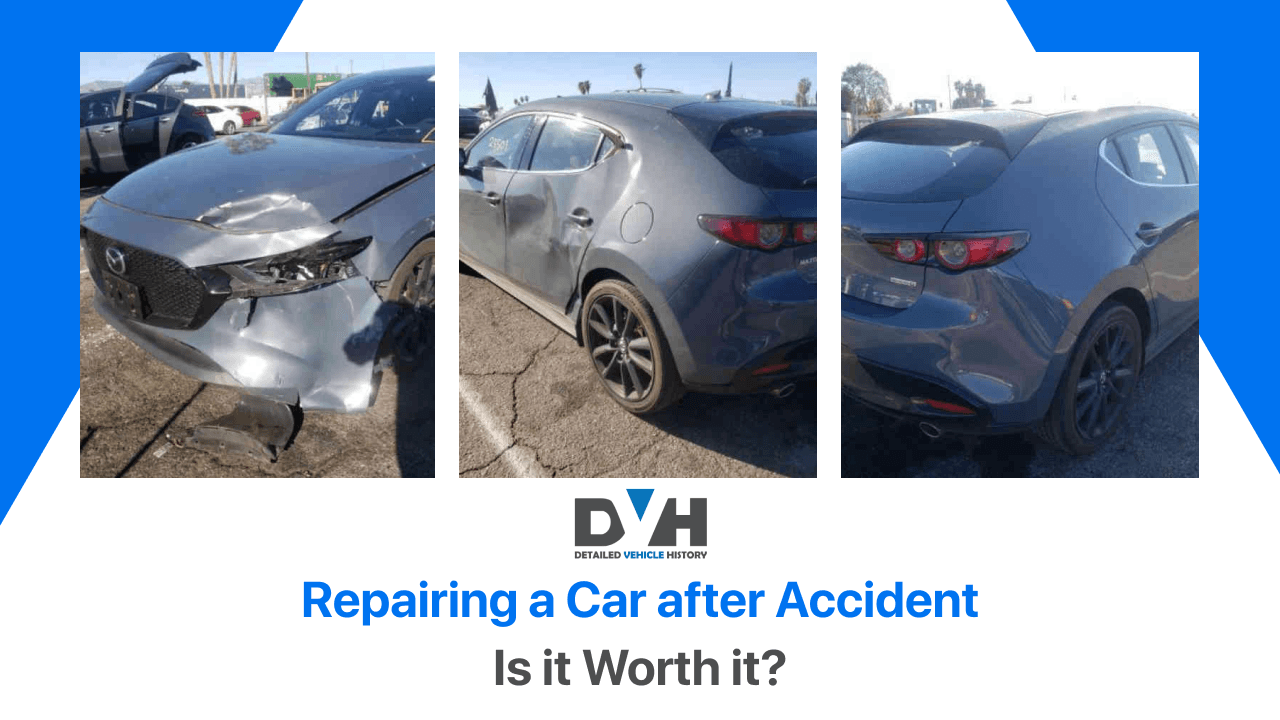
Accidents happen, and when they do, car owners often face a tough decision: to repair or not to repair? Is it worth repairing a car after an accident? This question isn't just about fixing dents and scratches; it's about weighing costs, safety, and future reliability.
Some accidents can be severe, and others are nothing more than scratches. If you're in this situation and don't know the following steps, our detailed guide is here to help. So, is it worth it? Let's find out.
Car Checkup: How Bad is the Damage?
If you've been in an accident, the first step is understanding how much your vehicle was damaged. With this knowledge, you can quickly determine how much repair should cost and decide whether or not it is worth it. How can you tell the extent of the damage?
Start with a visual inspection. You can simply walk around your car to see what's broken and what's not. Check for signs of damage, such as dents, scratches, broken lights, and cracked windshields.
Pay close attention to the alignment of body panels; misaligned panels can indicate underlying structural issues. Note any fluid leaks which might suggest damage to the engine, transmission, or cooling systems. After the visual inspection, you should know the type of damage sustained. These are the common types of car damages:
Structural Damage
Damage to a vehicle's chassis is a perfect example of structural damage. Structural damage refers to the harm done to the vehicle's framework, which is its essential skeleton. Examples include a collapsed roof structure, wrinkled quarter panels, and others. If you see these signs, bringing in a professional mechanic for an inspection is best.
In a situation where the chassis or the unibody is beyond repair after a collision and declared a total toss, it is advisable to replace rather than repair. Even after repair, such vehicles may not be able to protect occupants adequately in a future crash, and you do not want to take that risk.
Cosmetic Damage
Cosmetic damage is the best case of damage you want to have after a car accident. This includes any damage that affects the vehicle's appearance but does not impact its functionality or safety. Examples include dents, scratches, paint chips, and minor bumper damage.
Since this kind of damage doesn't affect a vehicle's functionality, there's little to nothing to worry about. These kinds of repairs are usually very affordable and easy to fix. You can get your car back to normal in a short period.
Weather damage
Imagine walking down to your vehicle in the parking lot after a beautiful day at work and facing a damaged car! In some places, cars can be damaged by natural elements such as hail, floods, snow, ice, and extreme heat or cold.
Hail can dent the car's body, crack windshields, and damage the roof. Flooding can cause severe issues, including electrical problems and engine damage, as water infiltrates critical systems. Snow and ice can lead to rusting, mainly if road salt is used for de-icing, and extreme temperatures can affect the car's battery, tires, and fluids.
In the case of damage, you need to understand the cause (specific incident) to know the extent. Some vehicles with weather damage may remain structurally sound with lots of dents, and others may need to be inspected by a professional.
Theft damage
Theft damage occurs when a vehicle is broken into, stolen, or vandalized in an attempted theft. This damage can include broken windows and locks and tampered with ignition systems during hot-wiring attempts.
In some cases, thieves might strip the car of valuable parts such as airbags, stereos, wheels, or catalytic converters. Even if the vehicle is recovered, the repair costs can be significant, especially if the thieves caused extensive interior or exterior damage.
Check for signs of damages with an inspection and contact a repair shop or auto mechanic to fix your car.
READ ALSO: How to Get a Car Accident Settlement Check After a Crash
Counting the Cost: How Much Will Repairs Be?
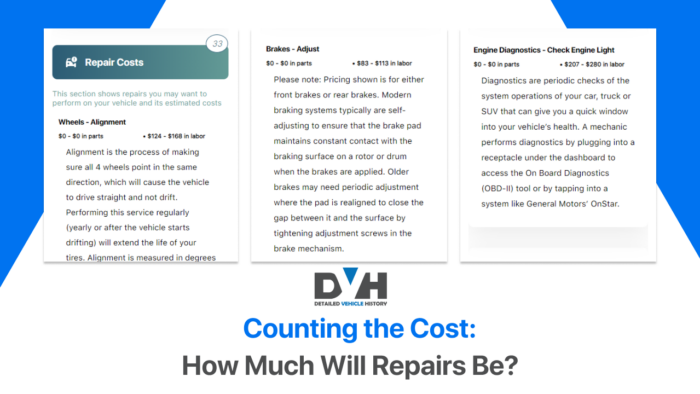
Is it worth repairing a car after an accident? If the cost of repairing the damaged vehicle is minor, it is worth it. However, if you are faced with a car involved in a serious collision, it may cost you more to repair and would not be worth fixing.
So how much will repairs cost? Your mechanic will help you here. After a detailed inspection by a professional mechanic, you should get a repair quote and know what it should cost to repair your vehicle. This repair quote is usually influenced by the costs of purchasing the damaged parts, labor costs, and the extent of the damage.
It is advisable, however, that you don't just stick with the first mechanic you meet. Don't be afraid to get multiple quotes from several different repair shops. This way, you can ensure you're not scammed and get a reasonable price.
Insurance can also influence the cost of repairs. Review your policy to understand what is covered. Check coverage limits, deductibles, and whether you have collision or comprehensive coverage.
If the repair costs exceed your deductible, it might be worth filing a claim with a claims adjuster. Your deductible refers to the amount you will pay. So, if the repair costs $3,000 with a deductible of $500, your insurance provider pays $2,500 and you only pay $500. If it seems like a good deal to you, contact your insurance company promptly to report the accident and start the claim process.
If you are buying a used car that has been in an accident in the past, you can get insights on repair costs using our VIN check tool. This tool estimates repair costs for all used vehicles and other historical records. Get a VIN check before buying any used car.
READ ALSO: How to Check if a Car Has Been in an Accident
Fix It or Ditch It? Making the Repair Decision
If it's cosmetic damage, definitely fix it! Some car owners can comfortably drive their vehicles without fixing cosmetic damage, especially when it's not so visible.
Some factors you need to consider before making your decision are:
- The extent of damage
- Repair costs
- Personal preference
If the vehicle has sustained serious structural damage, it may be better to get a new one. Fixing one may come at a high cost, and the vehicle may have little resale value. How? Cars that were declared total losses with structural damages will end up with salvage or rebuilt titles, significantly reducing the vehicle's worth.
If you plan on selling it after a few years and buying a new car, it may not be worth it. Instead, buy a new vehicle now. However, if you want to keep the car for a long time and not sell it, you can decide to fix it and keep it.
Will my car be the same after an accident?
Many car owners worry about whether their vehicle will be the same after an accident. The answer largely depends on the extent of the damage and the quality of the repairs.
If minor damage, such as a small dent or a broken light, the car can often be restored to its pre-accident condition with minimal impact on performance or safety. Significant damage, especially to structural components, can be more challenging to repair effectively.
Severe accidents that compromise the frame or chassis can affect the car's structural integrity. Even with the best repairs, a vehicle may never fully regain its original structural strength. For a more comprehensive understanding of a vehicle's accident history, you can conduct an accident lookup by VIN.
Is it safe to drive a car repaired after a collision?
Yes, it can be safe to drive a car repaired after a collision, provided the repairs are done thoroughly and correctly. High-quality maintenance performed by certified technicians who follow manufacturer guidelines is crucial. With good research, you should find a high-quality car mechanic.
This includes using OEM (Original Equipment Manufacturer) replacement parts, restoring structural integrity, and verifying that all critical safety systems, such as airbags, seat belts, and the anti-lock braking system (ABS), are fully operational. Additionally, proper alignment of the frame and wheels must be checked and corrected to ensure the car handles properly and does not pose a risk to safety.
Buying a used car?
Buying a used car has many doubts, but a vehicle history report changes everything. A vehicle history report is a document that shows a vehicle's life records from when it was sold to its current state. A report with the VIN can help to identify:
- Accident records
- Damages
- Total loss records and salvage titles
- Theft records
- Mileage and age of the vehicle
- Ownership history
- Market value
- Service records
- Auction and sales history
- Warranty information
- Vehicle specifications
- Vehicle usage
- Repair costs
- Lien and loan records, and more
Check if the vehicle you are interested in has been in an accident or damaged. Make the right choices with a simple VIN check! Get one now.
Frequently Asked Questions
How much does an accident devalue a car reddit?
The impact of an accident on the value of your car can vary significantly based on the extent of the damage and the quality of the repairs. Generally, any history of an accident will lead to diminished value because buyers perceive it as a higher risk. Cosmetic damage might result in a minor decrease in value, while structural damage can lead to significant devaluation.
At what point is repairing a car not worth it?
Repairing a car may not be worth it if the cost of repairs approaches or exceeds the vehicle's value. This is especially true for cars with significant structural damage, as the repairs can be expensive and the vehicle may not be as reliable as before. The car's value may also drop. To know if it's worth fixing, verify the exact type of damage sustained and its cost.
Does repairing a car increase its value?
Repairing a car can increase its value, especially if the damage is minor and the repairs were done professionally. High-quality repairs can restore the vehicle's appearance and functionality, making it more appealing to buyers. However, even after repairs, a car in an accident will generally have a diminished value compared to a similar car with no accident history.

About Joses Peter
131 articles published
Joses Peter is a seasoned writer with a portfolio of 100+ blog posts and two published papers. Currently, she contributes as a professional writer in the automotive industry, with a great passion for technology and automobiles. This passion keeps her constantly learning and translating complex tech concepts into accessible content.