


The process of importing cars from the United States is an attractive venture for buyers and dealers worldwide. The U.S. automotive market offers a vast selection of vehicles, from everyday sedans to luxury cars and high-performance models. While importing cars from the U.S. presents lucrative opportunities, it also comes with potential risks and challenges. To ensure a seamless U.S. car importation experience, one crucial step stands out: validating the vehicle's history. In this comprehensive guide, we'll emphasize the importance of validating the vehicle's history to avoid potential pitfalls.
Some Interesting Facts about the U.S. Car Import
Before talking about the nuances of the U.S. car import, let's first share some facts why US car import is so enticing:
- The United States boasts a diverse automotive market, offering a wide range of vehicles from both domestic and international manufacturers. This diversity means buyers can find vehicles to suit their specific needs and preferences.
- U.S. cars importation are often priced more competitively than similar models in other countries. Factors like depreciation and market dynamics contribute to these attractive price points.
- Many vehicles in the U.S. are well-maintained and in excellent condition due to stringent safety and emissions standards, as well as regular servicing.
- For entrepreneurs and dealers, US car importation can be a profitable business endeavor. Purchasing vehicles at a lower cost in the U.S. and selling them in international markets can lead to significant profits.
- U.S. car import often include exclusive or limited-edition models that can be challenging to find elsewhere. These unique vehicles appeal to collectors and enthusiasts.

The Complexity of the U.S. Car Import
While the appeal of U.S. car import is evident, the process can be complex and fraught with challenges. Importing a vehicle from the U.S. involves several critical steps, including purchasing the car, arranging for shipping, dealing with customs and car import regulations, and ensuring the vehicle's compliance with local safety and emissions standards.
To navigate these complexities successfully and avoid potential pitfalls, buyers and dealers need to be well-informed and diligent throughout the importation process.
The Importance of Validating Vehicle History
One of the most critical steps in ensuring a smooth U.S. car importation is validating the vehicle's history. This process involves obtaining a comprehensive report that details the vehicle's past and provides insights into its condition and potential issues. Here are some of the key reasons why validating vehicle history is crucial:
- 1.Transparency and Trustworthiness: Validating the vehicle's history provides transparency and ensures that the information provided by the seller or auctioneer is accurate. This step helps establish trust in the transaction and reduces the risk of fraud or misrepresentation.
- 2.Quality Assurance: By validating the vehicle's history, buyers can gain confidence in the quality of the car they are importing. It helps identify any hidden issues or discrepancies that may affect the vehicle's condition.
- 3.Accurate Valuation: Understanding the vehicle's history allows buyers to accurately assess its value. This knowledge helps buyers make informed decisions about how much they are willing to pay for the vehicle.
- 4.Legal Compliance: Many countries have specific regulations for importing vehicles, such as emissions and safety standards. Validating the vehicle's history helps buyers confirm that the vehicle complies with these requirements, preventing potential issues during the car import process.
- 5.Risk Mitigation: Validating vehicle history allows buyers to identify potential risks and avoid vehicles with issues that could lead to financial losses or safety concerns.
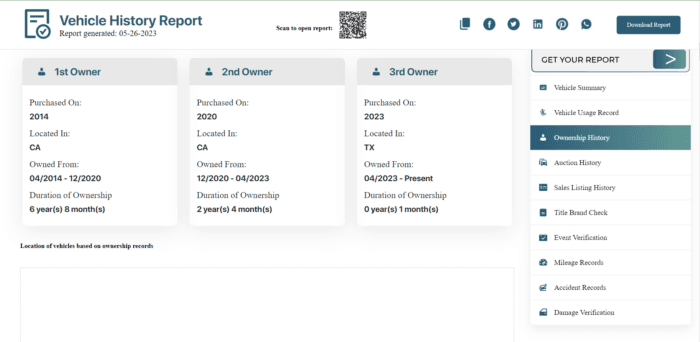
Methods for Validating Vehicle History
Several methods can be employed to validate the history of a vehicle before importing it from the U.S. These methods include:
- 1.Vehicle History Reports: Vehicle history reports provide a comprehensive overview of a vehicle's past. They include information on accidents (car accident report), title status, mileage records, ownership history, service and maintenance records, recalls, and more. Services like Detailed Vehicle History, Carfax and AutoCheck offer these reports and are widely used in the U.S.
- 2.Pre-Purchase Inspections: Before finalizing a purchase, especially for high-value vehicles or luxury car imports, consider arranging a pre-purchase inspection by a qualified mechanic or inspection service. This on-site examination can identify hidden issues and assess the overall condition of the vehicle.
- 3.VIN Verification: Confirming the Vehicle Identification Number (VIN) on the vehicle against the documentation is a fundamental step in validating a vehicle's history. It ensures that the vehicle you are purchasing matches the information provided.
The Role of VIN Verification in Validating Vehicle History
In the process of validating a vehicle's history, VIN verification plays a pivotal role. The VIN, a unique identifier assigned to every vehicle, provides essential information about the car's make, model, year, and manufacturing location. Here's why VIN verification is crucial:
- 1.Confirmation of Authenticity: VIN verification ensures that the vehicle is genuine and matches the information provided by the seller or auctioneer. This step helps prevent fraudulent transactions and misrepresentation.
- 2.Identification of Red Flags: A VIN check can reveal red flags, such as discrepancies in the vehicle's history or title status. If a car has been reported as stolen or has a salvage title, the VIN verification process can uncover these issues.
- 3.Quality Assessment: Verifying the VIN allows buyers to assess the vehicle's overall quality and condition. It's an essential step in determining whether the car meets their expectations and whether it's worth the investment.

Free vs. Paid Vehicle History Reports
When it comes to obtaining vehicle history reports, buyers have the option of choosing between free and paid services. Here's a breakdown of the key differences between the two:
- Free Vehicle History Reports
- Availability: Some websites and services offer a vehicle history report free of charge.
- Limited Information: Free vehicle history reports may provide basic information, such as the vehicle specifications and engine information, but often lack comprehensive details.
- Potentially Incomplete: Free vehicle history reports may not include critical information about accidents, recalls, or maintenance records.
- Limited Number of Free Reports: Many free services have restrictions on the number of free reports a user can access.
- Paid Vehicle History Reports
- Comprehensive Information: Paid reports typically offer more comprehensive details about a vehicle's history, including number of previous owners, accidents, title issues, mileage records, and more.
- Reliability: Paid services often use reputable sources to compile their reports, increasing the reliability and accuracy of the information.
- Unlimited Access: Subscribing to a paid service may provide unlimited access to vehicle history reports, making it suitable for buyers who import cars from the USA.
U.S. car import offers enticing opportunities to buyers and dealers worldwide, but they also come with complexities and potential risks. To ensure a smooth U.S. car importation process, validating the vehicle's history is an indispensable step. Vehicle history reports, pre-purchase inspections, and VIN verification all play vital roles in this process.
Whether you are importing a luxury car or a used vehicle, knowledge is your most potent tool in the world of U.S. car import. By prioritizing the validation of a vehicle's history, you can confidently navigate the importation process, make informed decisions, and ensure that the vehicles you acquire meet your standards, legal requirements, and expectations.