
Key takeaways:
- Always research the warranty provider's credibility, read the fine print, and confirm coverage details before signing.
- Match the plan to your car's reliability, driving habits, and how long you plan to keep it.
- Check the window sticker by VIN to see what kind of warranties covered the car when it was fresh from the manufacturer.
An extended warranty is used to cover a vehicle as additional protection aside from the manufacturer's warranty. The function of an extended warranty is to help a car owner protect the car and themselves from unexpected problems with costly repairs.
What is an Extended Warranty for Used Cars?
An “extended warranty” is a type of warranty that helps car owners cover the maintenance costs once the manufacturer's warranty has expired. However, the extended warranty does not come automatically; car owners will need to purchase it from either the dealer or a third-party warranty provider.
Most extended warranties for used cars cover the maintenance cost of major components, such as: engine, transmission, AC, and mechanical or electrical parts. Unfortunately, an extended warranty does not cover regular maintenance like oil changes, brake maintenance, and worn-out tires that need to be replaced.
Should I Buy an Extended Warranty on a Used Car
Whether to buy depends on several factors and needs. Getting an extended warranty can be beneficial if you prioritise financial stability. It helps protect against unexpected repair bills once the original warranty expires. Still, it's not always necessary, especially for newer or more reliable vehicles. Before buying, think about your budget, the car's condition, and how long you plan to keep it.
The choice is up to you. Buying an extended warranty might be necessary if you prioritize financial stability, because the extended warranty helps you to help with unexpected repairs that come after the original warranty expires.
Before you decide to purchase an extended warranty, you will need to think about your budget, the car's condition, and how long you will keep the car. We've broken down the potential benefits and drawbacks of purchasing an extended warranty.
Potential Benefits of an Extended Warranty
- Good for older or high-mileage cars: Offers extra protection to help with maintenance or repairs because the car is old or often used.
- Long-term coverage: The extended warranty has few selection of coverage. If you plan to keep the car for a longer time, you can opt to buy an additional extended coverage.
- Extra perks: Some plans include roadside assistance, towing, or rental car coverage.
Potential Drawbacks of an Extended Warranty
- High cost: The price of the warranty can be higher compared to the service you've paid for
- Limited coverage: Many contracts exclude wear-and-tear parts, maintenance, or pre-existing issues.
- Not always needed: Reliable or low-mileage cars may never use the coverage.
- Difficult cancellation: Getting a refund or cancelling can involve strict terms. Be sure to find the right warranty that can be cancelled without any difficulties.
Is an Extended Warranty Worth It?
It depends on your individual situation. For some car owners, an extended warranty might be necessary, whereas for other owners it might not be a necessity. One thing you should consider is whether the price outweighs the protection.
When an Extended Warranty Might Be Worth It
- Peace of mind: Ideal for drivers who worry about surprise repair costs after the factory warranty expires.
- High repair risk: A smart choice if the vehicle has high mileage or is known for costly engine or transmission issues.
- Extra benefits: Some plans include roadside help, towing, or rental car coverage, adding more value.
When It May Not Be Worth It
- High upfront price: You could end up paying more for the warranty than the repairs you'll actually need.
- Limited protection: Many contracts exclude common parts or routine wear and tear, so always check the fine print.
- High deductible: Expensive deductibles can reduce how much money you save after paying the deductible.
- Reliable vehicle: If the car has a strong track record for dependability, you may never use the coverage.
Types of Extended Warranties
Extended warranties, also called Vehicle Service Contracts, vary greatly in price and what they actually cover. You can break down the types of coverage into these categories:
Coverage Levels
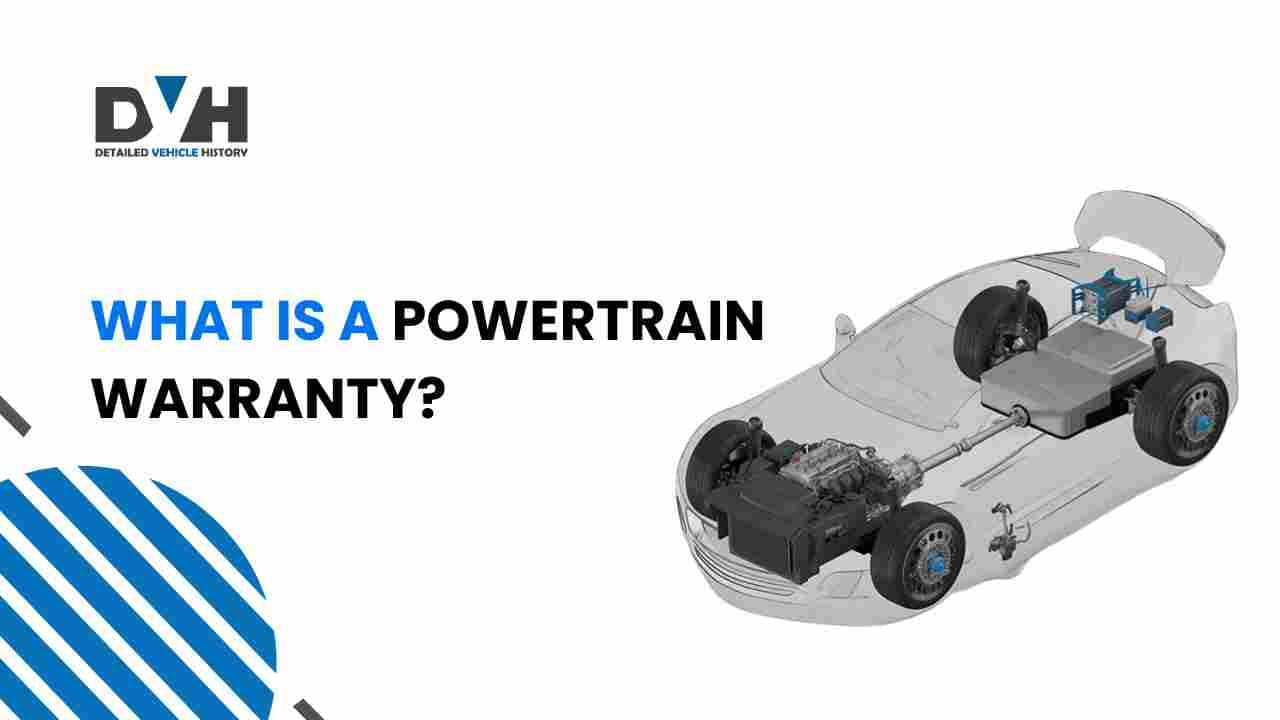
- Basic Powertrain Coverage: This is the most fundamental and least expensive plan. It covers only the major, expensive components that make your car move: the engine, transmission, and drive axle (drivetrain).
- Comprehensive (Bumper to Bumper) Coverage: This is the highest level of protection. It covers almost every part of the vehicle, including the A/C, steering, brakes, and electrical systems. Only a small, specific list of items (like tires or oil changes) is excluded.
- Exclusionary Coverage: This is a very popular type because it's easy to understand. It covers everything on the vehicle except the few parts or services that are listed as exclusions.
Speciality and Add-On Coverage
- Wrap Coverage: If you already have a basic warranty, a Wrap plan acts as an upgrade. It “wraps around” the existing powertrain coverage to add protection for things like the A/C and electrical systems without forcing you to buy a full comprehensive plan.
- High Tech or Electronics Coverage: These plans focus on the expensive, complex electronic components found in modern cars, such as navigation screens, sensors, and computer systems.
Important Extra Perks
- Roadside Assistance: Many plans include essential services like towing or emergency help if you break down.
- Rental Car Reimbursement: This covers the cost of a rental vehicle while your car is being repaired for an approved claim, helping you stay mobile.
What is the Best Extended Warranty for Used Cars
There isn't a single “best” extended warranty for used cars; the right plan depends on what matters most to you, such as cost, coverage level, and the provider's reputation. A good warranty should offer strong protection without unnecessary fees or confusing policies.
- Assess your needs: Decide what's most important: a low price, broad coverage, or reliable customer support.
- Compare quotes: Request offers from different companies and carefully review what each plan includes.
- Read the fine print: Check deductibles, exclusions, transfer rules, and cancellation terms before you sign.
- Check reviews: Look at verified customer feedback to understand how the company handles claims and support.
Tips Before Purchasing a Car Extended Warranty
Before buying an extended warranty, it's important to ask questions and understand your options. Doing research, comparing plans, and reviewing policies can prevent surprises. Knowing what fits your budget and what coverage you actually need ensures that the warranty provides real value rather than unnecessary expense.
Research the Provider
Check the company's reputation through trusted sources like the Better Business Bureau and verified customer reviews. Established providers with a solid history tend to be more reliable and financially stable.
Understand the Policy
Always review a sample contract before signing, paying attention to inclusions, exclusions, fees, and waiting periods. Understand whether the plan is exclusionary or inclusionary, how deductibles work, and what repair options are allowed. Also, know the claims process, including whether repairs are paid directly or reimbursed.
Evaluate Your Needs
Consider your car's reliability and potential repair costs. High-maintenance models or vehicles used in harsh conditions may benefit more from extended coverage. Factor in driving habits, budget, and peace of mind, as well as your ownership timeline, since a warranty may be less valuable if you plan to sell the car soon.
Compare and Negotiate
Collect quotes from manufacturer-backed and third-party providers to compare coverage and costs. Don't hesitate to negotiate terms, request better rates, or ask for additional perks. Check whether the warranty is transferable, as this can increase your vehicle's resale value and provide added long-term benefit.
Before you proceed to buy an extended warranty, make sure you check the warranty by VIN to see if the car is still covered by the existing warranty.
Conclusion About the Extended Warranty for Used Cars
A well-chosen warranty can save thousands in unexpected repair bills and ensure your vehicle stays in top condition for years. The key to finding the right warranty is: spend more time researching the right warranties and check what is covered and what's not. Compare several plans side by side and think about your driving habits, the car's reliability, and how long you plan to keep it.
Extended Warranty FAQs
Yes, you can purchase an extended warranty for a used car after you buy it, either from a dealership or a third-party provider, but it is crucial to read the terms and select a reputable company to ensure your claims won't be denied.
Before purchasing, you should consider essential factors like what specific items are covered and the business reputation of the warranty provider to ensure the plan meets your needs and the company is reliable.
When you sell a car with an extended warranty, you can often cancel the coverage and receive a prorated refund for the unused time, as these policies are typically non-transferable and do not increase the vehicle's selling price.
Contact the dealership's service department and explain the problem clearly. Include any documents, like repair history or diagnostic reports. Following the correct steps will help your claim go smoothly and avoid delays.
Report the issue to the service department and bring all necessary documents. Follow the procedures in your warranty agreement, which may include using approved service centres and parts. Acting quickly helps prevent delays.
Ask for a written explanation from the dealer or plan administrator. Knowing the reason is important if you want to challenge it. Common reasons for denial include normal wear and tear, misuse, unauthorised parts, or failing to follow maintenance rules.